
In water-scarce regions like the Middle East and North Africa (MENA), where the World Bank estimates a daunting 50% gap between water supply and demand by 2030, traditional reliance on imported treatment infrastructure has become an unsustainable financial and logistical burden. Exorbitant costs, compatibility failures in regional environments, and supply chain vulnerabilities have necessitated a radical shift toward technological self-reliance. At the forefront of this industrial revolution stands MASKOUB International for Contracting, an Egyptian engineering pioneer that has successfully localized over 12 critical water technologies through systematic reverse engineering, achieving 60% to 90% cost reductions. As the prestigious Gold Sponsor of the Aqua Energy Expo MEA 2025, MASKOUB International did not merely exhibit its portfolio; it fundamentally redefined the event’s economic, technical, and strategic value. This comprehensive article merges MASKOUB’s foundational engineering blueprints with its high-profile participation at the expo, detailing how its actual operational capabilities added unprecedented value to the exhibition and set a new benchmark for industrial water treatment across the region.
Company Background and Core Philosophy: Engineering Ingenuity Meets Environmental Stewardship
Founded in 2004, MASKOUB International for Contracting operates at the critical intersection of engineering ingenuity and environmental stewardship. Specializing in an expansive suite of services—including water and wastewater treatment, oil-water separation, and advanced sludge management—the firm caters to a vast and diverse clientele. Its partners span government agencies, private manufacturing sectors, and international organizations throughout the Middle East.
Beyond executing turnkey treatment plants, MASKOUB has carved a highly specialized niche in chemical innovation and custom fabrication. By developing proprietary polymer coagulants and highly efficient chlorine dioxide systems tailored specifically to regional industrial environments, the company addresses immediate operational bottlenecks while cultivating long-term resource independence for Egypt and the broader MENA region.
The core philosophy driving MASKOUB is rooted in the belief that reverse engineering is not an act of simple copying; rather, it is a sophisticated process of contextualization. MASKOUB’s engineers systematically dissect global technologies, identify glaring performance gaps under local conditions, and redesign systems utilizing locally available materials and manufacturing capabilities. This methodology bridges the gap between theoretical global knowledge and local economic realities, resulting in what development economists classify as “appropriate technology”—solutions that are affordable, maintainable, and infinitely scalable for emerging markets.
Unveiling the Blueprint: MASKOUB’s Structured Innovation Model
The operational success of MASKOUB relies heavily on its rigorous, six-step structured innovation model, which ensures that every localized product meets or exceeds international benchmarks:
– Define & Diagnose:
The company begins by identifying specific industrial pain points, such as high energy consumption, equipment corrosion, or biological fouling.
– Theoretical Modeling:
Engineers deploy reverse engineering principles alongside Computational Fluid Dynamics (CFD) simulations to map out the physical and mechanical behaviors of the technology.
– Rapid Prototyping:
Leveraging cutting-edge 3D printing technologies acquired from emerging Egyptian mechanical engineering firms, MASKOUB rapidly produces precise, physical prototypes to facilitate agile, iterative design adjustments based on real-world feedback.
– Pilot Testing:
Scaled or prototype units are subjected to rigorous testing in actual, field-level operational conditions to validate their structural and functional performance.
– Optimization:
The design undergoes extensive refinement driven entirely by empirical field feedback and measured performance metrics.
– Local Production:
The finalized, optimized technology is scaled up for mass commercial production by utilizing robust Egyptian supply chains, directly eliminating import dependencies.
From Blueprint to Reality: Actual Technological Innovations and Field Achievements
MASKOUB’s actual impact is best understood through its specific, high-efficiency product lines and documented technical breakthroughs, which took center stage at the Aqua Energy Expo 2025:
– Moving Bed Biofilm Reactor (MBBR) Media
MASKOUB’s expertise in MBBR technology evolved beyond manufacturing high-performance biofilm media into developing advanced process enhancements. Building on its locally engineered MBBR media, MASKOUB introduced two innovative systems. The first, Hyper MBBR™, integrates the proprietary Hyper Mixer with biofilm carriers to improve mixing efficiency, reduce aeration demand, minimize media collisions, extend media lifespan, and enhance biofilm stability. The second, Cyclo IFAS™, employs selective biomass concentration technology to increase effective sludge age (SRT), reduce excess sludge production, and improve treatment efficiency without increasing reactor volume. Together, these innovations deliver lower operating costs, higher biological performance, and greater sustainability for municipal and industrial wastewater treatment plants.
– Hyperbolic and Mesh Mixers
Recognizing that traditional vertical paddle mixers consumed excessive, unsustainable amounts of electricity, MASKOUB’s engineers looked to fluid dynamics principles to completely redesign mixing mechanisms. Utilizing repurposed motors sourced from Cairo’s local markets and deploying slow-motion videography to meticulously visualize fluid flow patterns, they developed a fiberglass-impeller hyperbolic mixer. Now a staple in anoxic treatment tanks, this innovation redefines energy efficiency by reducing operational power consumption by a staggering 90%.
– The Biomotex Hybrid Biofilm System
Launched in 2021, the Biomotex system epitomizes MASKOUB’s commitment to modernizing legacy infrastructure rather than abandoning it. By replacing aging, inefficient Rotating Biological Contactor (RBC) disks with high-surface-area MBBR media, this hybrid system retrofitted municipal and industrial plants, increasing effective biological surface area tenfold while drastically cutting energy consumption. Notably, this system predated similar European hybrid solutions, establishing Egypt as a genuine hub for water innovation.
– Chlorine Dioxide Production line
European water treatment designs frequently faltered when encountering the biological realities of regional water systems, particularly regarding biofilm resistance in cooling towers and poultry processing facilities. Following failed partnerships with European firms, MASKOUB independently developed localized chlorine dioxide generators capable of disrupting aggressive biofilms without generating corrosive byproducts. In a landmark industrial trial within a 3,500-cubic-meter cooling tower, MASKOUB’s system completely eliminated the need for imported chemical scale inhibitors and biocides, proving the company’s autonomous capability in chemical and biological innovation.
– Domestic Rotary Drum Screens Localization
MASKOUB successfully developed and manufactured Rotary Drum Screens locally as part of its strategy to localize key wastewater treatment equipment. Through an extensive reverse-engineering program and multiple design improvements, MASKOUB optimized drum geometry, screen fixation, and internal washing systems to achieve reliable solids removal with minimal maintenance. The units were specifically engineered to handle high-fiber wastewater streams commonly found in paper mills, food processing plants, textile factories, and slaughterhouses. By combining robust construction with locally sourced components, MASKOUB delivered a cost-effective and dependable alternative to imported systems, reducing procurement costs, simplifying maintenance, and strengthening local manufacturing capabilities.
– Chemical Breakthroughs: nano Poly Ferric Chloride (n PFC)
Addressing the critical requirements of industrial wastewater treatment, MASKOUB conducted extensive Jar Testing across various industrial sectors. This intensive research led to the synthesis of nano Poly Ferric Chloride (n PFC), a highly effective, cost-competitive local polymer coagulant. After overcoming initial hurdles related to reaction kinetics and chemical catalysis, MASKOUB successfully established a stable synthesis method. The product is fully market-ready under the commercial name Poly Ferric Chloride, with ongoing R&D leveraging microwave technology to further reduce reaction times.
– Hydrocyclones and River Water Clarification Systems
To advance sludge thickening, MASKOUB engineers dissected global hydrocyclone designs, built a dedicated pilot unit, and optimized flow rates by evaluating pressure differentials against theoretical design data. Similarly, for river water clarification, the company engineered a prototype unit utilizing localized mixers and a 1-cubic-meter-per-day capacity to master velocity gradients. This allowed them to scale tank dimensions precisely according to specific mixing requirements, significantly boosting clarification performance.
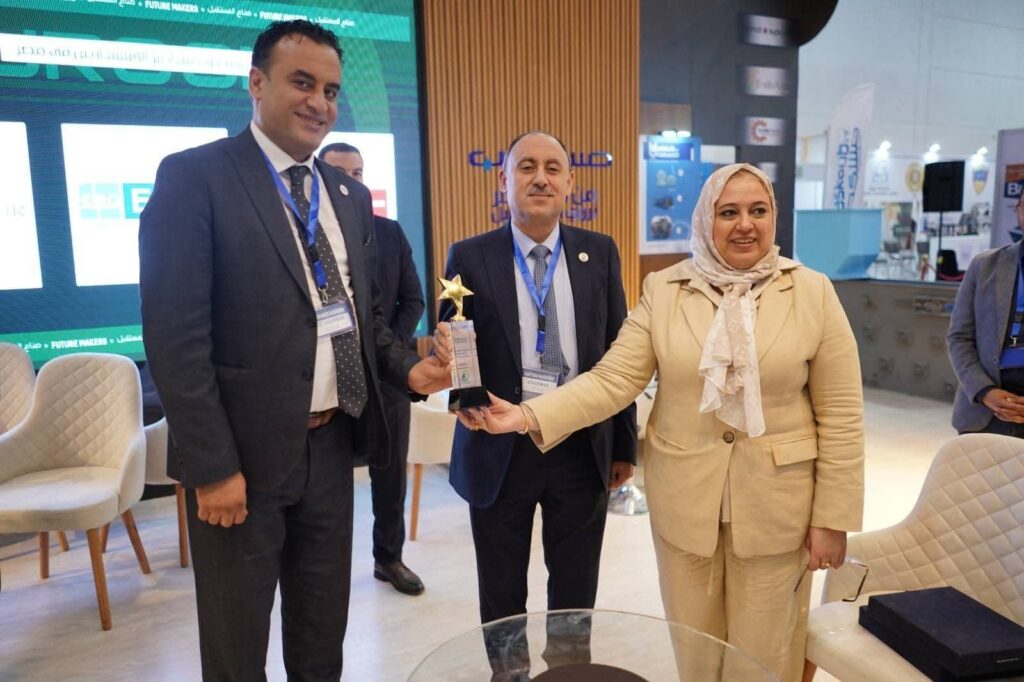
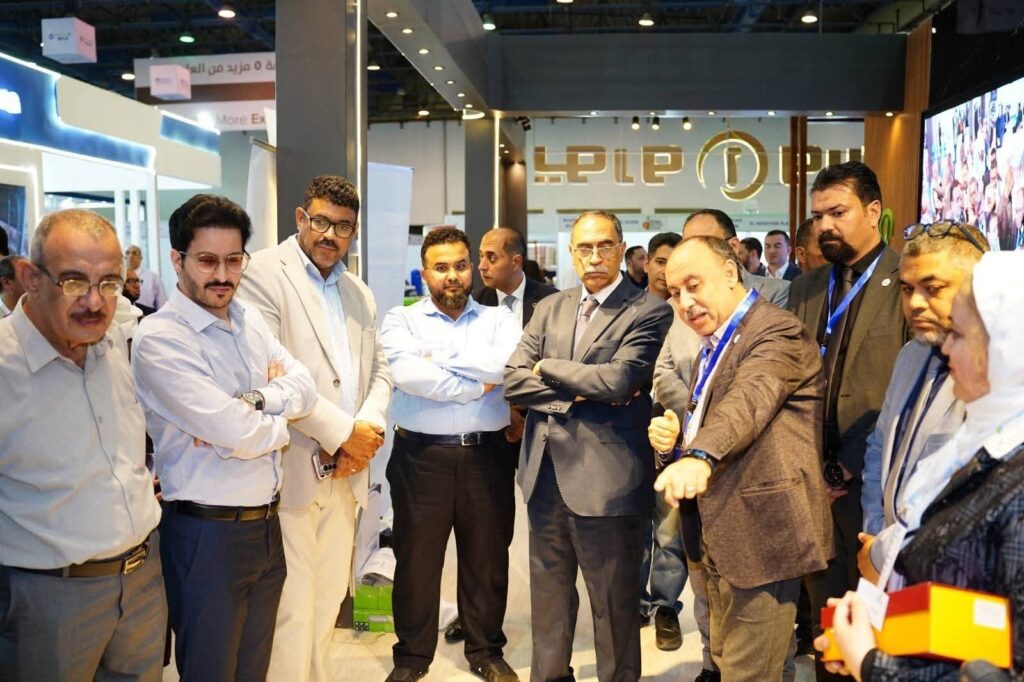
The Impact of MASKOUB’s Gold Sponsorship at the Aqua Energy Expo 2025
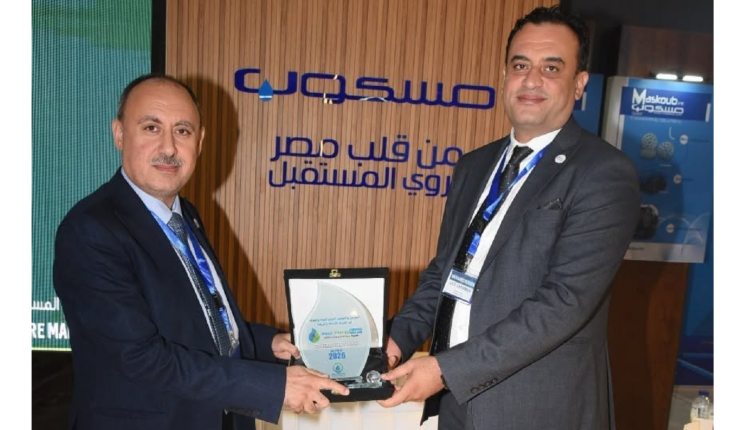
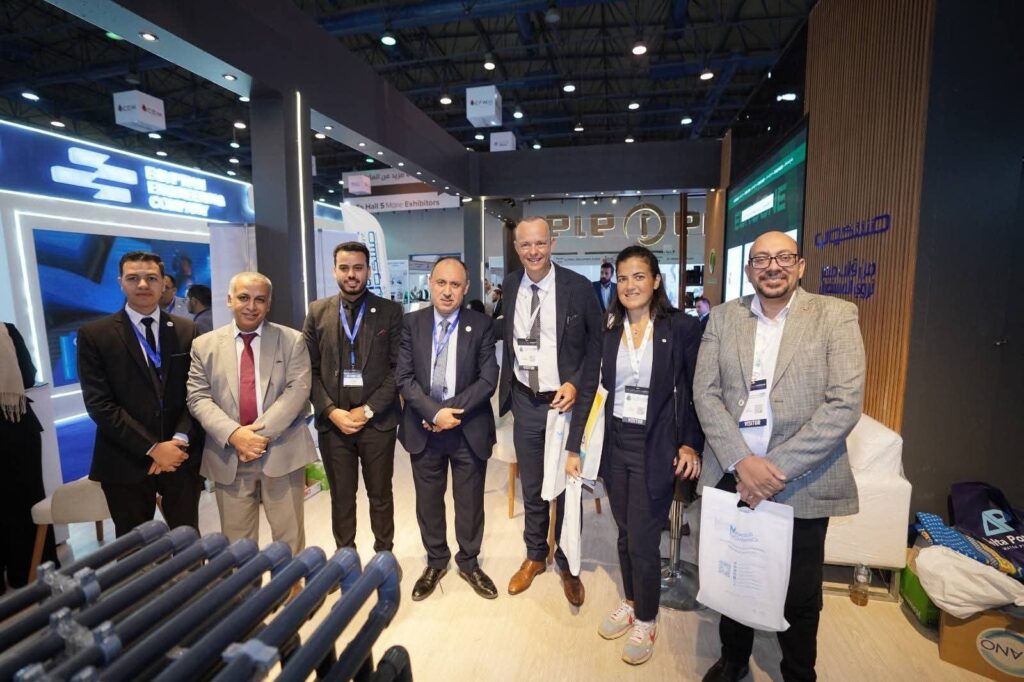
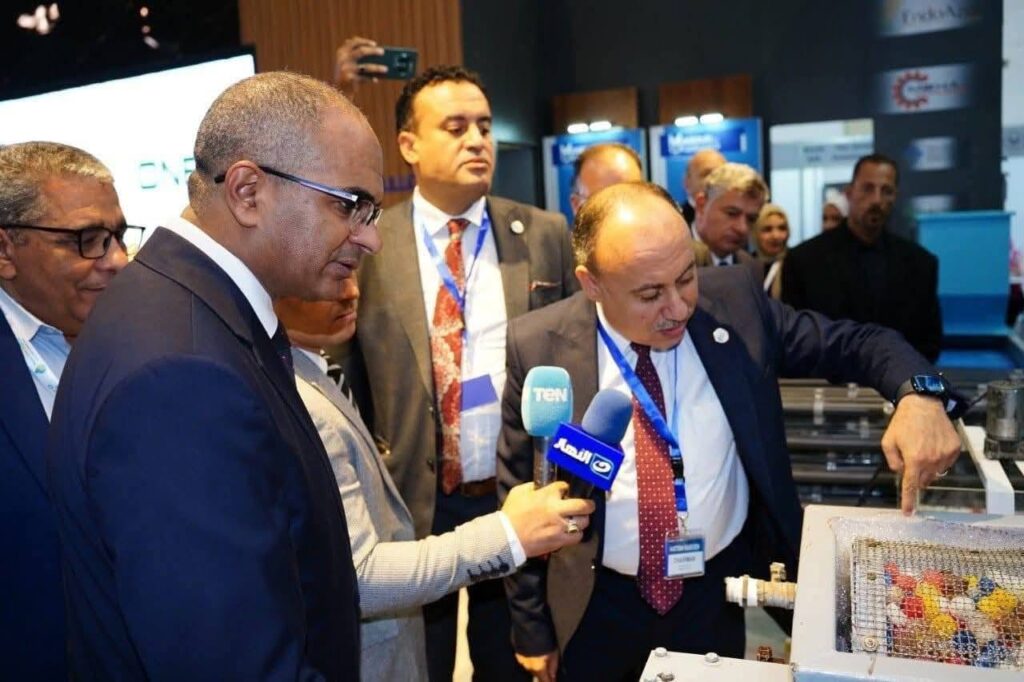
The Aqua Energy Expo MEA 2025 served as the definitive platform for MASKOUB International to showcase these market-ready breakthroughs to a global audience. Moving beyond the role of a traditional corporate exhibitor, MASKOUB’s presence as a Gold Sponsor injected massive economic and technical value into the event, fundamentally altering its dynamic and elevating its regional importance.
– Strategic Realignment of the Exhibition
Supported by key governmental bodies—including the Ministry of Housing, Utilities, and Urban Communities; the Ministry of Investment and Foreign Trade; the Ministry of Water Resources and Irrigation; and the New and Renewable Energy Authority (NREA)—the expo was designed to foster regional sustainability. MASKOUB’s Gold Sponsorship anchored these governmental objectives to tangible, domestically manufactured realities. By displaying working, field-tested alternatives to imported systems, MASKOUB shifted the exhibition’s narrative away from a mere trade show for foreign equipment toward an active showcase of regional industrial self-reliance.
– Elevating the Expo’s Technical Prestige
By presenting sophisticated, peer-reviewed engineering methodologies—such as Computational Fluid Dynamics (CFD) modeling, velocity gradient optimization, and microwave-assisted polymer synthesis—MASKOUB elevated the academic and technical caliber of the expo. International delegates, engineering consulting firms, and municipal authorities encountered an Egyptian firm operating at the absolute cutting edge of R&D, positioning the Aqua Energy Expo as a legitimate source of primary industrial innovation rather than a secondary market for aging Western or Asian technologies.
– Driving Economic Value and Localized Market Accessibility
One of the most profound values MASKOUB added to the expo was the democratization of advanced water treatment technology. Historically, high-tech systems like zero-liquid discharge (ZLD), advanced desalination, and automated dosing skids were the exclusive domain of wealthy multinational corporations, leaving local SMEs financially excluded. By showcasing localized alternatives that achieve 60% to 90% cost reductions and 90% energy savings, MASKOUB provided practical, accessible solutions for thousands of regional businesses attending the event. This generated immediate commercial interest, creating a vibrant B2B ecosystem within the exhibition halls and driving substantial local investment.
Conclusion
MASKOUB International’s participation as a Gold Sponsor at the Aqua Energy Expo MEA 2025 stands as a watershed moment for the regional water and energy sectors. By seamlessly merging global engineering principles with local pragmatic requirements, the company proved that reverse engineering, when executed via a structured innovation model, is an engine for genuine technological evolution. As climate change and industrial acceleration intensify water scarcity across the Middle East and Africa, MASKOUB’s proven model offers a vital, scalable, and highly replicable framework for nations striving to achieve absolute self-reliance in critical environmental technologies.
Contact Information MASKOUB International8311 Kazan Street, Moqattam, Cairo, Egypt
Phone: +2012 1000 9431
Email: info@maskoub.com
Website: maskoub.com
 8311 Kazan Street, Moqattam, Cairo, Egypt
 Phone: +2012 1000 9431
 Email:
  Website:
