
Egypt’s Ministry of Water Resources and Irrigation, alongside Coca-Cola, has engaged in discussions regarding a potential initiative aimed at treating and desalinating agricultural drainage water using renewable energy. This effort is part of a broader strategy to enhance water sustainability and diversify non-conventional water resources.
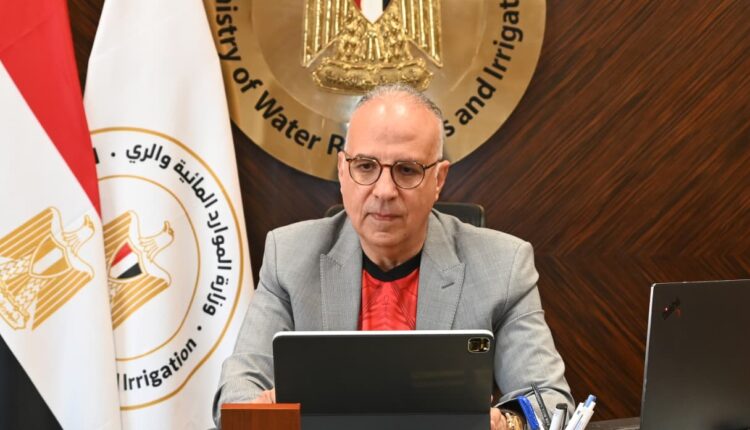
The ministry reported that Water Resources Minister Hani Sewilam convened with Coca-Cola representatives to investigate collaborative opportunities under the company’s global Replenish 2.0 program, which promotes water sustainability initiatives.
As stated by the ministry, the proposed initiative aims to treat moderately saline agricultural drainage water and transform it into a sustainable irrigation source, thereby reducing reliance on additional Nile River supplies.
These discussions align with Egypt’s Water Resources Strategy 2050, which emphasizes water reuse as a vital strategy for tackling water scarcity, accommodating population growth, and addressing climate-related challenges.
Sewilam indicated that this project is part of a larger national program focused on enhancing water reuse, elevating water quality, and bolstering the agricultural sector’s resilience against climate change.
He further mentioned that the proposal is grounded in several years of technical and institutional research conducted in partnership with organizations such as the United Nations Development Programme, the International Development Research Centre, and the Center for Applied Research on the Environment and Sustainability at the American University in Cairo. These studies have confirmed the project’s technical, environmental, and economic viability.
The minister highlighted Egypt’s intention to strengthen collaborations with the private sector and development partners to implement innovative water management solutions and further sustainable development objectives. He stressed the ministry’s support for modern technologies and non-conventional water solutions, provided they meet economic and technical feasibility standards.
The ministry noted that this initiative could exemplify successful public-private cooperation in water management, enhancing food security, generating employment, and assisting communities experiencing increasing water stress.
Coca-Cola representatives expressed their interest in supporting projects that yield positive environmental and social outcomes and indicated that discussions would persist to explore financing and implementation strategies for the proposed initiative.
Source: Daily News Egypt

