
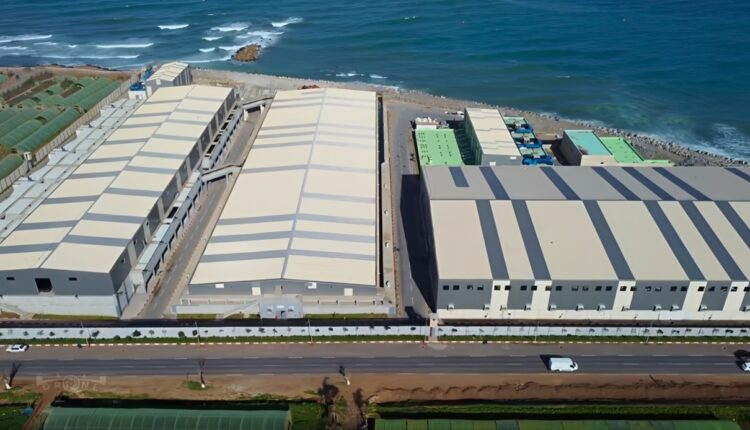
Scaling Desalination Capacity Without Compromising Water Quality: How Filtralite® Transformed Performance at SWRO Fouka II

As global demand for desalinated water continues to grow, desalination plants face increasing pressure to expand production while maintaining consistent water quality and operational reliability. Achieving higher output is no longer enough modern plants must also minimize membrane fouling, reduce maintenance requirements, and optimize long-term operating costs.
The experience of SWRO Fouka II in Algeria demonstrates how advanced filtration media can successfully address these challenges.
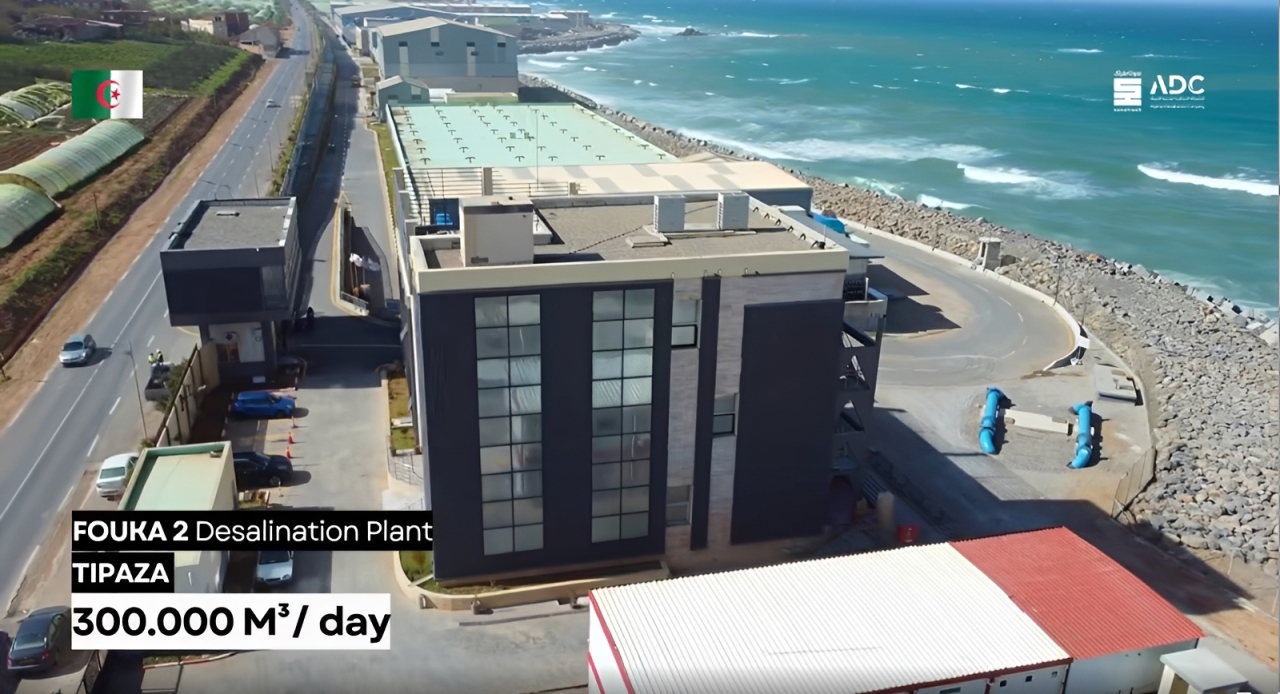
A Strategic Seawater Desalination Project
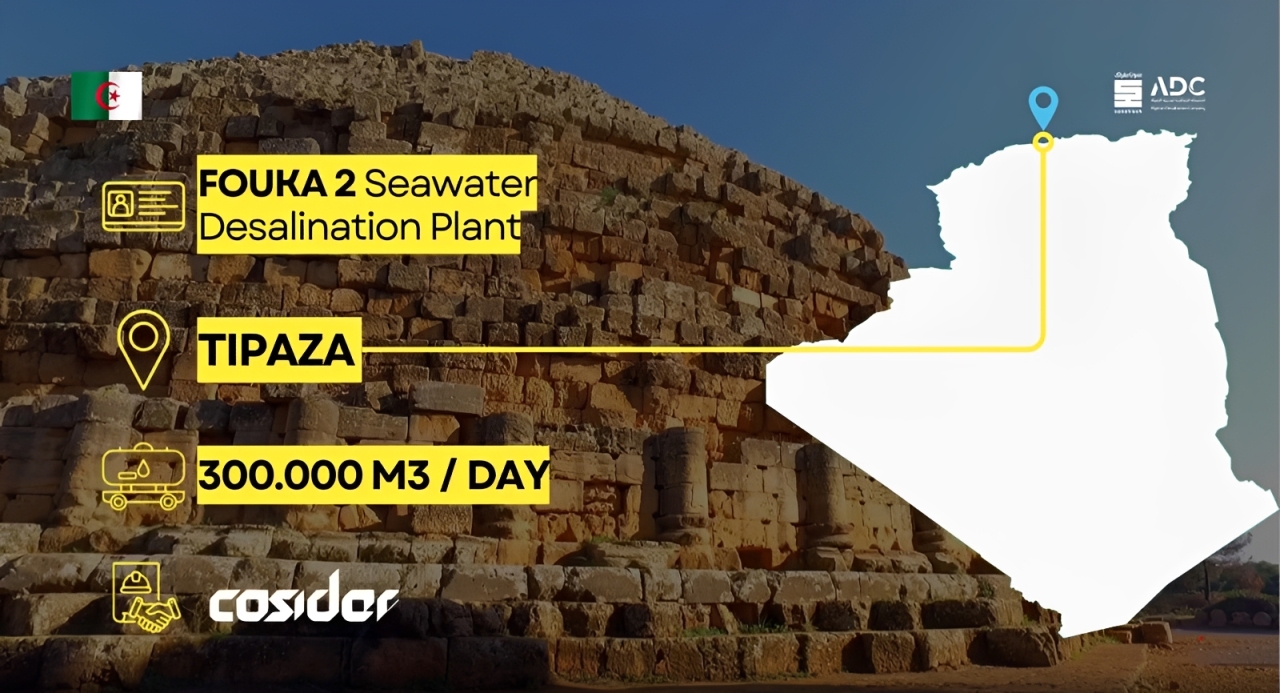
Commissioned in 2025, the SWRO Fouka II desalination plant has an initial production capacity of 300,000 m³/day. Operated by AEC (Algerian Energy Company), now ADC, the facility required a pretreatment solution capable of handling the highly variable conditions of Mediterranean seawater while supporting future capacity expansion.
The plant’s objectives included:
– Maintaining consistently high feed water quality.
– Protecting reverse osmosis (RO) membranes from fouling.
– Managing seasonal fluctuations, high turbidity events, and algal blooms.
– Increasing production capacity without compromising operational stability.
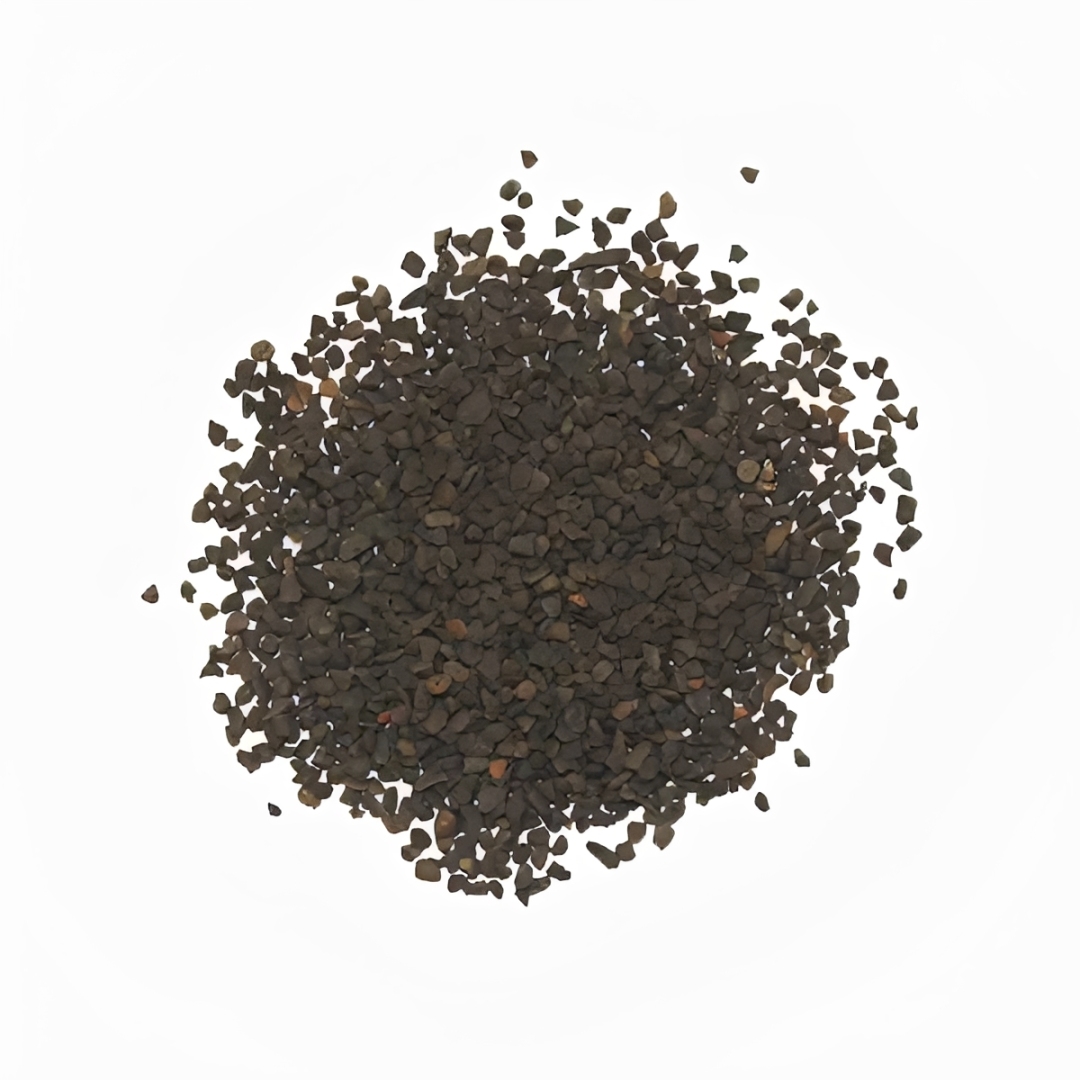
To meet these objectives, the plant implemented a dual-media filtration system consisting of a 1-meter filter bed made up of 0.6 m Filtralite® and 0.4 m sand, using Filtralite® NC 0.8–1.6 as the primary filtration media.
Why Filtralite® PURE?
Thanks to its highly porous structure and large specific surface area, Filtralite® provides superior particle retention and suspended solids removal, significantly improving pretreatment performance before the RO process.
Its unique expanded clay technology allows water to flow efficiently through the filter while capturing contaminants more effectively than conventional filtration media. This makes it particularly suitable for seawater desalination plants operating under challenging conditions.
Measurable Improvements in Water Quality
The installation of Filtralite® delivered immediate and measurable improvements in feed water quality.
Significant Reduction in SDI
The Silt Density Index (SDI) was reduced from 5.6 to 2.23, providing substantially better protection for downstream RO membranes and helping extend membrane lifespan.
Outstanding Turbidity Removal
Feed water turbidity decreased from 1.2 NTU to only 0.09 NTU, demonstrating highly efficient removal of suspended solids and producing cleaner water for the desalination process.
These results highlight the effectiveness of Filtralite® in delivering stable, high-quality feed water even when seawater conditions fluctuate throughout the year.
Enabling Higher Capacity Through Better Pretreatment
One of the project’s most remarkable achievements was its ability to support significantly higher filtration rates while maintaining stable filtration performance.
The plant is planning to increase filtration velocity from 6.5 m/h to 13–14 m/h, enabling a major increase in production capacity from 300,000 m³/day to 680,000 m³/day.
This demonstrates how optimized pretreatment can unlock substantial capacity expansion without sacrificing water quality, operational efficiency, or membrane protection.
Operational Benefits Beyond Water Quality
In addition to improving pretreatment performance, Filtralite® delivered several operational advantages:
– Enhanced protection of RO membranes.
– Superior suspended solids retention.
– Higher filtration efficiency.
– Improved colour and odour removal.
– Lower filter media regeneration costs.
– Stable performance during seasonal seawater variations.
– Better resistance to algal bloom events due to its highly porous structure.
– Effective handling of high turbidity conditions.
Operational performance was equally impressive. The filtration system achieved an average of 55 hours between backwash cycles while recording 0% filter media loss. These results demonstrate exceptional durability, process stability, and reduced maintenance requirements, helping lower overall operating costs.
Key Performance Metrics
| Parameter | Result |
| Plant Capacity | 300,000 m³/day |
| Filter Bed Depth | 1 m (0.6 m Filtralite® + 0.4 m Sand) |
| Filtration Media | Filtralite® NC 0.8–1.6 + Sand |
| SDI In | 5.6 |
| SDI Out | 2.23 |
| Turbidity In | 1.2 NTU |
| Turbidity Out | 0.09 NTU |
| Time Between Backwash | 55 hours |
| Filter Media Loss | 0% |
| Planned Filtration Velocity | 6.5 → 13–14 m/h |
| Planned Production Capacity | 680,000 m³/day |
Conclusion
The SWRO Fouka II project demonstrates that advanced pretreatment is a critical enabler of efficient, large-scale desalination. By significantly improving SDI and turbidity, protecting RO membranes, extending backwash intervals, and supporting more than a twofold increase in production capacity, Filtralite® PURE proved to be far more than a filtration media—it became a key contributor to plant performance, operational reliability, and future scalability.
As desalination facilities worldwide strive to produce more water with greater efficiency, the SWRO Fouka II case highlights how investing in advanced filtration technology can deliver measurable improvements in both water quality and long-term operational excellence.
Contact
Eng. Mohammed Kastawy
Area Sales Manager – MENA Region
Mobile: +971565503535
Email : mohammed.kastawy@saint-gobain.com
LinkedIn: www.linkedin.com

