
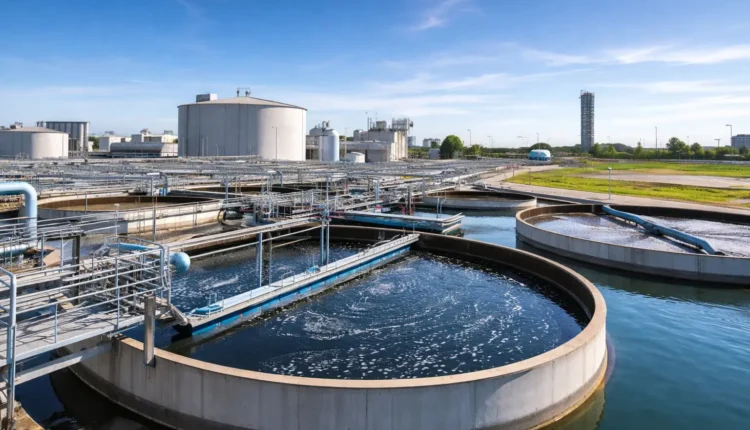
Dissolved Oxygen in Wastewater Treatment: Importance, Monitoring, and Process Optimization

One of the key factors affecting the effectiveness of biological treatment procedures in wastewater treatment is dissolved oxygen. It describes how much free oxygen is dissolved in water, supporting the aerobic bacteria that degrade organic contaminants. Biological treatment loses effectiveness in the absence of sufficient oxygen, which lowers pollutant removal and impacts treatment performance as a whole.
Because of changes in temperature, biological activity, oxygen demand, and effluent properties, the amount of dissolved oxygen in wastewater varies constantly. Thus, reliable plant operation, effective treatment, and lower energy usage depend on maintaining the proper DO levels. Monitoring and regulating dissolved oxygen is still essential to effective wastewater treatment since microorganisms are in charge of breaking down waste that requires oxygen.
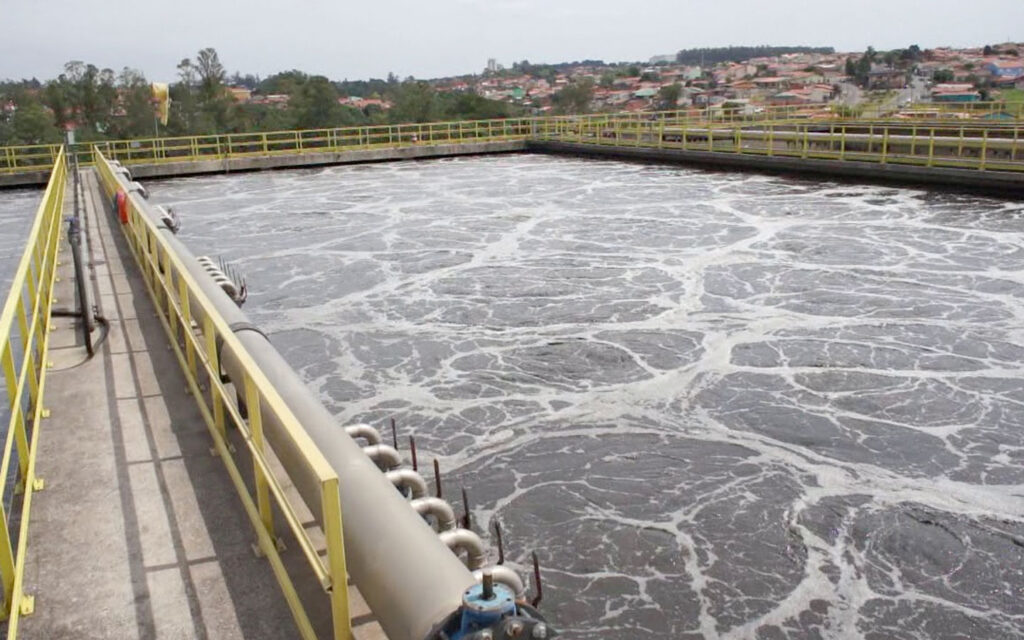
The Importance of Dissolved Oxygen in Wastewater Treatment
Because aerobic bacteria need oxygen to thrive and oxidize organic contaminants, dissolved oxygen is essential to biological wastewater treatment. These microbes minimize biochemical oxygen demand (BOD) and transform organic pollutants into stable end products like carbon dioxide and water as they consume oxygen-demanding waste.
The Impact of Lack of Oxygen
Microbial activity drastically slows down as dissolved oxygen levels drop, which leads to insufficient pollution clearance and decreased treatment effectiveness. In extreme circumstances, anaerobic bacteria that produce unwanted byproducts and offensive odors may be encouraged by an oxygen shortage. Therefore, maintaining sufficient dissolved oxygen in wastewater treatment is crucial for reliable biological performance.
The Impact of Excessive Oxygen
While oxygen deficiency creates operational problems, excessive dissolved oxygen is also undesirable. Supplying more oxygen than microorganisms require increases aeration costs without improving treatment efficiency. Excess oxygen may also interfere with the formation of microbial flocs that support effective settling during secondary treatment.
Maintaining balanced dissolved oxygen in wastewater allows treatment facilities to achieve efficient biological activity while avoiding unnecessary energy use. Proper oxygen management supports both process stability and operational efficiency.
The Role of Dissolved Oxygen Throughout the Treatment Process
Primary Treatment
The primary treatment primarily uses physical settling to eliminate suspended particles. Even though physical separation is the main method used in this stage, dissolved oxygen nevertheless aids in the biological degradation of the organic material found in settled sludge. Prior to wastewater entering biological treatment, maintaining appropriate oxygen levels helps reduce sludge volume, minimizing disposal requirements and boosting overall treatment efficiency.
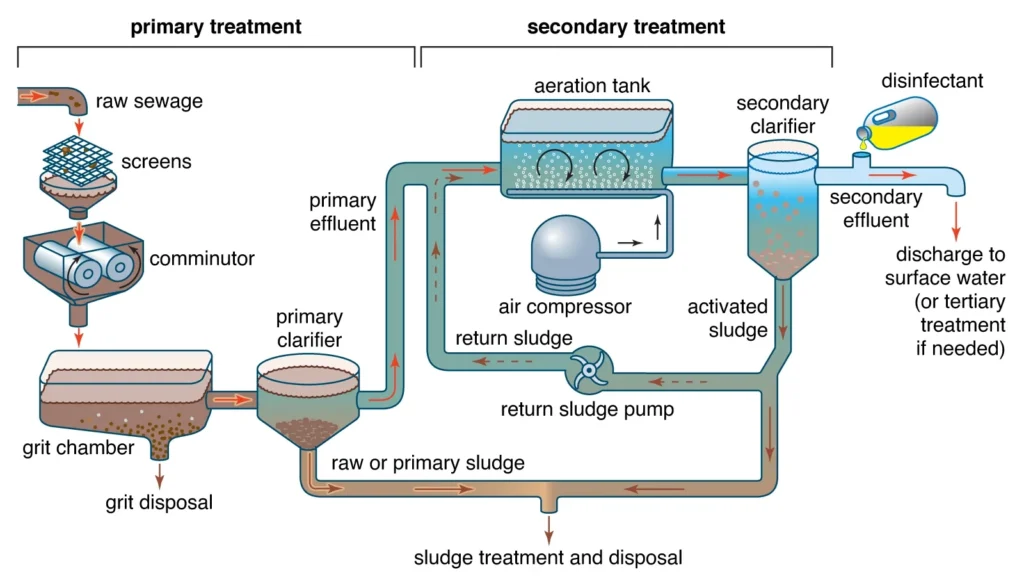
Secondary Treatment
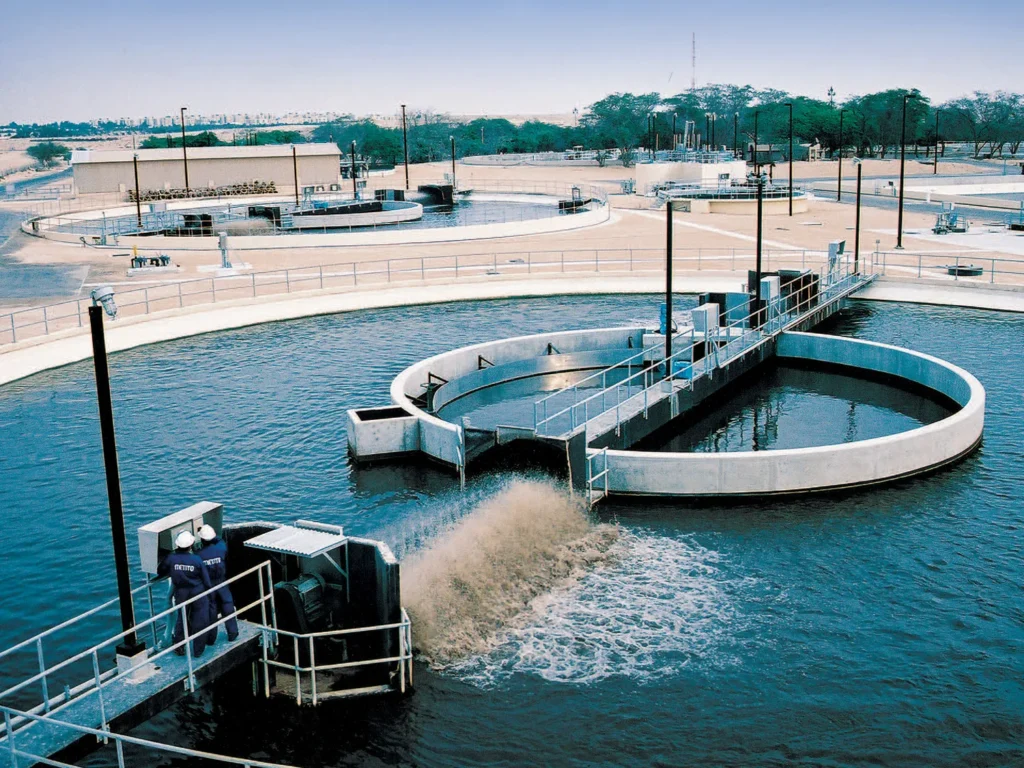
In wastewater treatment, dissolved oxygen is most crucial during secondary treatment. Aerobic bacteria in aeration tanks lower the biochemical oxygen demand (BOD) while consuming dissolved and suspended organic materials. The efficiency with which these microbes carry out biological oxidation is directly influenced by the availability of oxygen.
While too much oxygen raises operating expenses without improving treatment outcomes, too little oxygen inhibits microbial activity and lowers treatment effectiveness. Consistent effluent quality and stable biological processes are ensured by maintaining balanced oxygen concentrations.
Recommended Dissolved Oxygen Levels
Different dissolved oxygen concentrations are needed for different biological treatment goals. In general, carbonaceous BOD removal works best at DO concentrations between 1.0 and 2.0 mg/L. Because nitrifying microorganisms are more sensitive to oxygen availability, nitrification requires slightly higher concentrations, usually 2.0 to 3.0 mg/L.
On the other hand, in order for nitrate to be transformed into nitrogen gas, denitrification necessitates oxygen-deficient conditions, with dissolved oxygen levels below 0.5 mg/L. Process efficiency is increased, and needless aeration is reduced when DO is adjusted in accordance with treatment goals.
Factors Affecting Dissolved Oxygen Levels
Temperature
Because warmer water naturally contains less oxygen than cooler water, temperature has a major impact on the amount of dissolved oxygen in wastewater. Higher temperatures can lead to increased microbial activity and faster oxygen consumption. Because of this, treatment systems that are used in warmer climates frequently need more aeration.
Pressure
Additionally, pressure affects the solubility of oxygen. While lower air pressure limits the amount of oxygen available, higher pressure permits more oxygen to dissolve in water. When running wastewater treatment systems, certain environmental aspects should be taken into account.
Organic Loading
Dissolved oxygen requirements are directly impacted by the concentration of waste that requires oxygen. Increased organic loading raises the biochemical oxygen demand, which means bacteria need more oxygen to continue biological treatment.
Aeration
The intensity of aeration is also crucial. While excessive aeration loses energy without enhancing treatment effectiveness, insufficient aeration results in oxygen depletion. Effective aeration management lowers needless operational expenses while maintaining suitable oxygen concentrations.
Monitoring and Controlling Dissolved Oxygen
Measuring Dissolved Oxygen
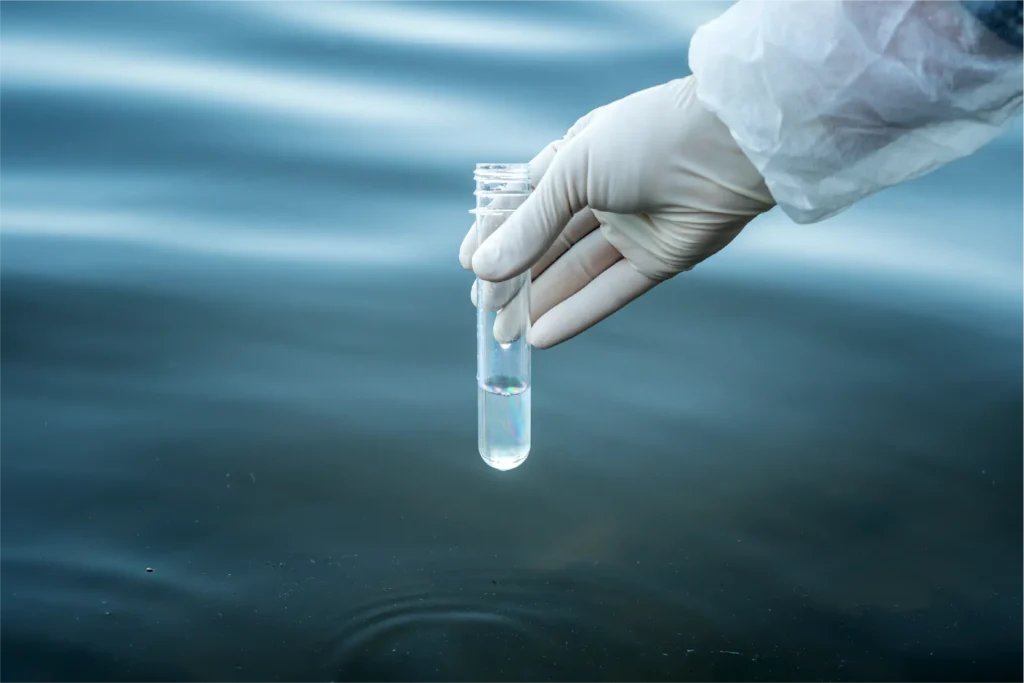
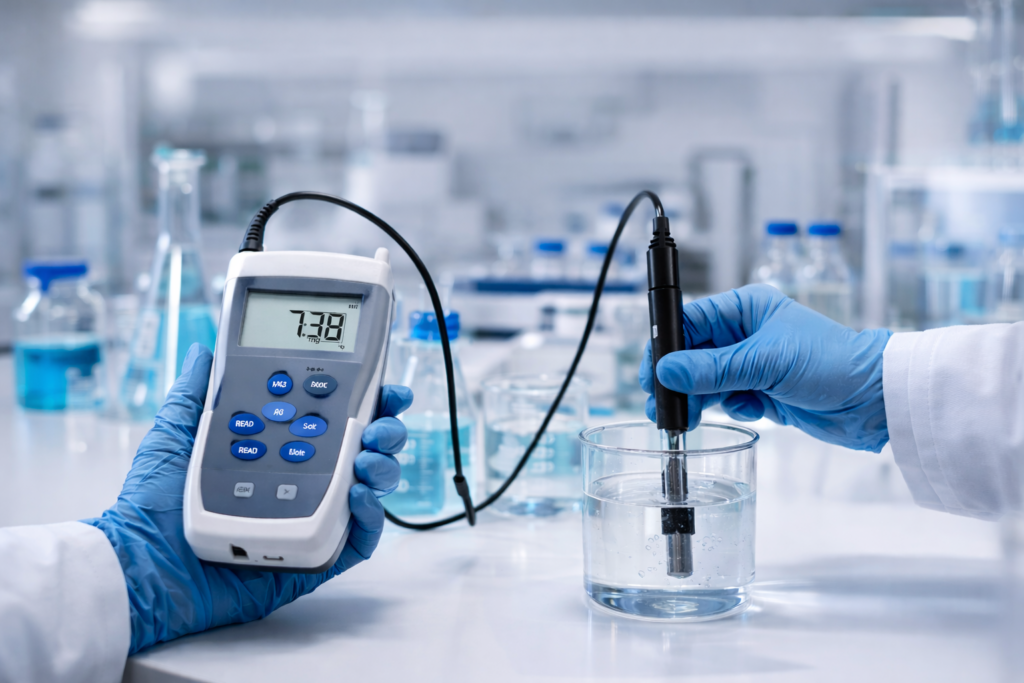
Accurate dissolved oxygen measurement is critical because oxygen concentrations continuously fluctuate due to variations in biological processes and changes in wastewater loading throughout the day. Although portable DO meters can provide valuable spot measurements, they only capture conditions at a single point in time and cannot reflect ongoing process variations.
Continuous DO monitoring offers a more comprehensive view of system performance by tracking oxygen demand in real time as operating conditions change. This constant flow of information enables operators to respond quickly, optimize aeration, and maintain consistent treatment efficiency through timely process adjustments.
Continuous Monitoring and Process Control
Continuous monitoring and responsive aeration management are necessary for the effective control of dissolved oxygen in wastewater treatment. Aeration can be manually adjusted by operators; however, this method is less successful when treatment circumstances vary quickly.
Aeration rates can be modified in accordance with actual oxygen demand thanks to automated monitoring devices that continuously detect dissolved oxygen. Stable DO concentrations increase the effectiveness of biological treatment, facilitate the elimination of pollutants, cut down on wasteful energy use, and improve overall process reliability.
Conclusion
Dissolved oxygen in wastewater treatment is a critical factor in the success of biological treatment procedures. It enables aerobic microorganisms to eliminate oxygen demanding waste, facilitates efficient pollutant degradation, and contributes to the generation of high-quality treated effluent.
Because dissolved oxygen levels are regulated by temperature, pressure, organic loading, and aeration conditions, continuous monitoring and good control are necessary for sustaining stable plant performance. By carefully regulating dissolved oxygen in wastewater, treatment facilities can improve biological efficiency, optimize aeration, minimize operational costs, and produce more sustainable wastewater treatment outcomes.
To explore the latest innovations in water and energy technologies, and discover a wide range of products and solutions from around the world, you can visit the virtual exhibition AQUA ENERGY EXPO which featuring leading companies in water treatment, desalination, and sustainable energy through the following link:
https://aquaenergyexpo.com/

