
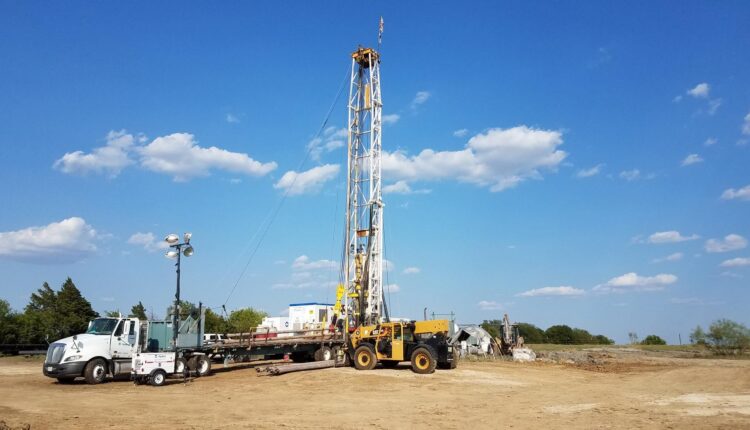
Aquifer Storage and Recovery: A Sustainable Solution for Modern Water Resource Management

Water resource management is becoming increasingly crucial as communities encounter rising populations, periodic water shortages, and heightened pressure on available freshwater supplies. A notable strategy that has gained significant attention is aquifer storage and recovery (ASR). This method enables the storage of treated water underground during times of surplus, allowing for retrieval when water demand rises or supplies dwindle. By utilizing natural underground aquifers as storage facilities, ASR promotes sustainable water management, minimizes environmental impacts, and enhances long-term water security. In contrast to traditional water storage techniques, ASR makes use of existing underground geological structures to hold substantial quantities of water. This approach not only boosts the efficiency of water supply systems but also equips communities to handle droughts, emergencies, and seasonal variations in water availability. Consequently, aquifer storage and recovery have emerged as a vital element of sustainable water resource planning in various regions.
Understanding Aquifer Storage and Recovery
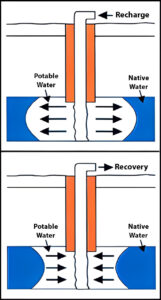
Aquifer recharge (AR) and aquifer storage and recovery (ASR) are interconnected yet distinct processes. Both methods involve the transfer of water underground to replenish groundwater supplies, but their goals are different. Aquifer recharge focuses solely on restoring groundwater levels, while aquifer storage recovery is designed to store water for future use and retrieval.
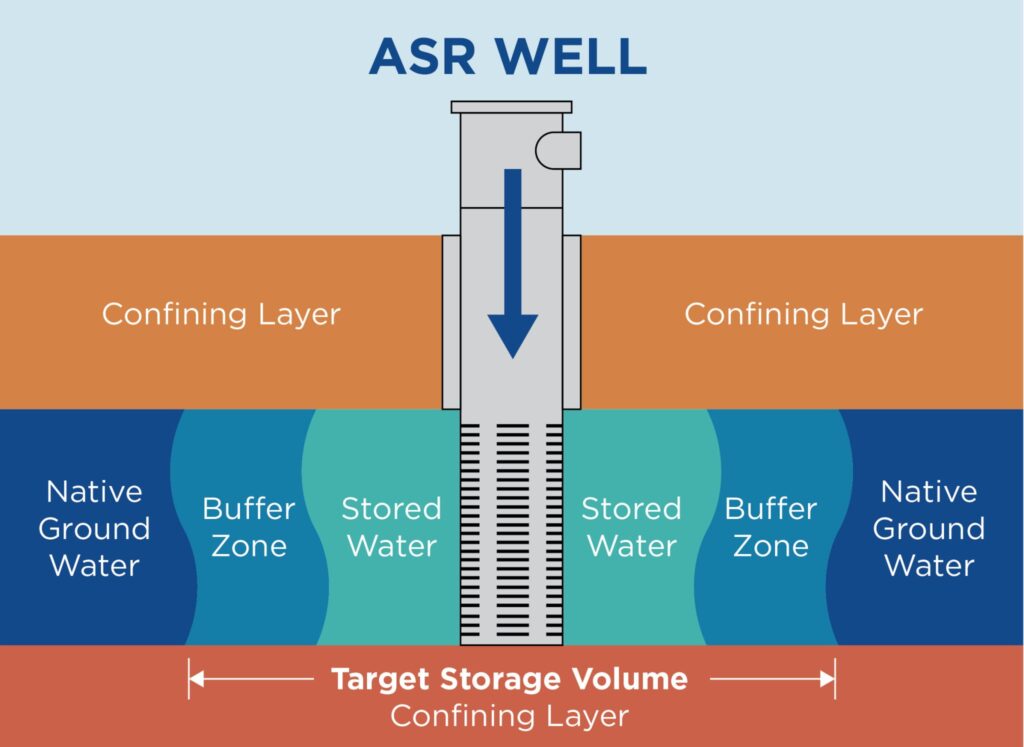
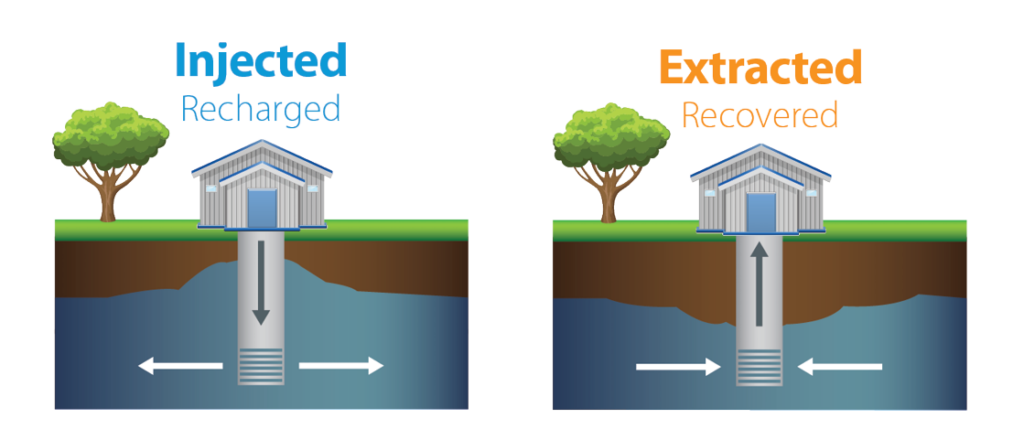
In an ASR system, treated water is injected into underground aquifers through specially constructed wells during times when water availability exceeds demand. The same wells, or nearby recovery wells, are subsequently utilized to extract the stored water during dry periods, droughts, or times of high demand. This capability to store excess water underground and retrieve it as necessary makes ASR an effective approach for aligning water supply with fluctuating demand. Various techniques can be employed to introduce water into aquifers, including surface spreading, infiltration basins, infiltration pits, and injection wells. Among these options, injection wells are frequently used when surface infiltration is not feasible due to local geological or environmental factors.
The Role of ASR in Sustainable Water Management
One of the key advantages of aquifer storage and recovery (ASR) is its role in promoting sustainable municipal water supplies. Numerous communities have adequate annual water availability but face challenges due to seasonal discrepancies between water supply and demand. During wetter periods, surplus treated water can be stored underground rather than wasted. In dry seasons, this stored water serves as a dependable and accessible resource.
This storage approach also offers a crucial reserve during emergencies and extended droughts. Long-term underground storage enables municipalities to sustain water supplies even when surface water resources are scarce. By aligning available water resources with anticipated future demand, ASR enhances the efficiency of current water supply systems without necessitating ongoing infrastructure expansion. Moreover, ASR facilitates the integrated management of both surface water and groundwater resources. The coordinated utilization of these water sources maximizes reliability and bolsters the overall resilience of water supply systems.
Social, Economic, and Environmental Benefits
The adoption of aquifer storage recovery presents considerable social and economic benefits. Since underground aquifers act as natural storage facilities, communities can enhance their existing water treatment and distribution systems while minimizing the necessity for new storage reservoirs or extensive transmission infrastructure. This strategy can postpone significant capital expenditures and reduce the costs associated with increasing water supply capacity.
The environmental advantages are equally noteworthy. By capturing water during surplus periods and retrieving it during shortages, ASR alleviates the strain on rivers, lakes, and other surface water sources, especially when ecosystems are already under stress. This technology also lessens the environmental impacts linked to surface storage reservoirs, water diversions, and additional transmission infrastructure. Additionally, during dry spells, restoring groundwater levels using ASR aids in maintaining groundwater discharge to streams and environmentally sensitive areas. This lessens issues like groundwater depletion, land subsidence, and saltwater intrusion into freshwater aquifers while promoting the stability and health of nearby ecosystems.
Regulatory Considerations and Water Quality Protection
Since water stored underground can eventually serve as a source of drinking water, safeguarding groundwater quality is a crucial aspect of aquifer storage and recovery (ASR) projects. Injection wells utilized for aquifer recharge (AR) and ASR are regulated to protect underground drinking water sources from contamination.
Regulatory bodies may authorize ASR wells through either a set of rules or a permit, depending on the specific project conditions and operational needs. While individual states may implement additional regulations, federal guidelines prohibit any injection activities that could introduce contaminants into underground drinking water sources at levels that pose risks to public health. The quality of the injected water, referred to as the injectate, is vital for preserving groundwater quality. This injected water can consist of treated drinking water, untreated groundwater, surface water, treated effluent, or reclaimed water, contingent on relevant regulations.
Several elements can influence groundwater quality during ASR operations. If the injected water is inadequately disinfected, pathogens may infiltrate the aquifers. On the other hand, disinfected water might generate disinfection by-products if soluble organic carbon is present. Variations in the chemistry of the injected water compared to the surrounding aquifer can also mobilize naturally occurring substances like arsenic, iron, manganese, or radionuclides. In carbonate aquifers, inappropriate water chemistry may lead to carbonate precipitation, which can obstruct injection wells. Although these potential issues necessitate careful oversight, aquifer recharge and ASR can also enhance groundwater quality in certain scenarios by replenishing aquifers that contain lower-quality water.
Practical Applications of ASR
The practical benefits of aquifer storage recovery (ASR) are evident through its long-term application in water management programs. A notable example is the use of ASR to inject treated surface water into groundwater basins during times of plentiful water availability, allowing for recovery during drought conditions. This integrated management of groundwater and surface water has enhanced the reliability of local water supplies and provided support to communities facing severe water shortages.
ASR systems have significantly advanced over the years. Earlier recharge techniques depended on basic gravity-fed injection through existing wells, whereas contemporary systems utilize dedicated injection wells designed to enhance storage efficiency and operational dependability. Ongoing investments in new production and injection wells, groundwater treatment technologies, and energy-efficient pumping systems help ensure that groundwater remains a reliable and sustainable water source, even as drought occurrences increase and surplus surface water availability decreases.
Conclusion
Aquifer storage and recovery (ASR) have emerged as a vital strategy for tackling contemporary water resource issues. By storing excess treated water underground and retrieving it during times of high demand, ASR enhances the reliability of water supplies, promotes sustainable development, and increases the efficiency of existing infrastructure.
In addition to its economic benefits, ASR plays a crucial role in environmental conservation by alleviating pressure on natural water sources, restoring groundwater levels, and supporting vulnerable ecosystems. Simultaneously, stringent regulation and effective water quality management ensure the protection of underground drinking water resources throughout ASR processes. As communities confront challenges such as population growth, seasonal water shortages, and escalating climate-related issues, aquifer storage and recovery offer a practical and sustainable method for aligning water availability with future demand while reinforcing long-term water resource management.
To explore the latest innovations in water and energy technologies, and discover a wide range of products and solutions from around the world, you can visit the virtual exhibition AQUA ENERGY EXPO which featuring leading companies in water treatment, desalination, and sustainable energy through the following link:
https://aquaenergyexpo.com/

