

Beyond Disinfection: How Chlorine Gas Protects Water from Source to Tap

Reliable disinfection techniques that eradicate dangerous microbes while preserving water quality throughout the distribution system are essential for safe drinking water. For municipal and groundwater applications, chlorine gas water treatment continues to be one of the most practical and affordable technologies available. Its capacity to consistently deliver disinfection while promoting public health is demonstrated by its lengthy history of successful use. Chlorine not only eliminates dangerous bacteria and viruses but also leaves behind a disinfectant residue that keeps water safe as it passes through pipes and storage tanks. Chlorine gas is a crucial part of water treatment processes for many utilities due to its efficiency, ease of use, and long-term protection.
What is Chlorine Gas Water Treatment?
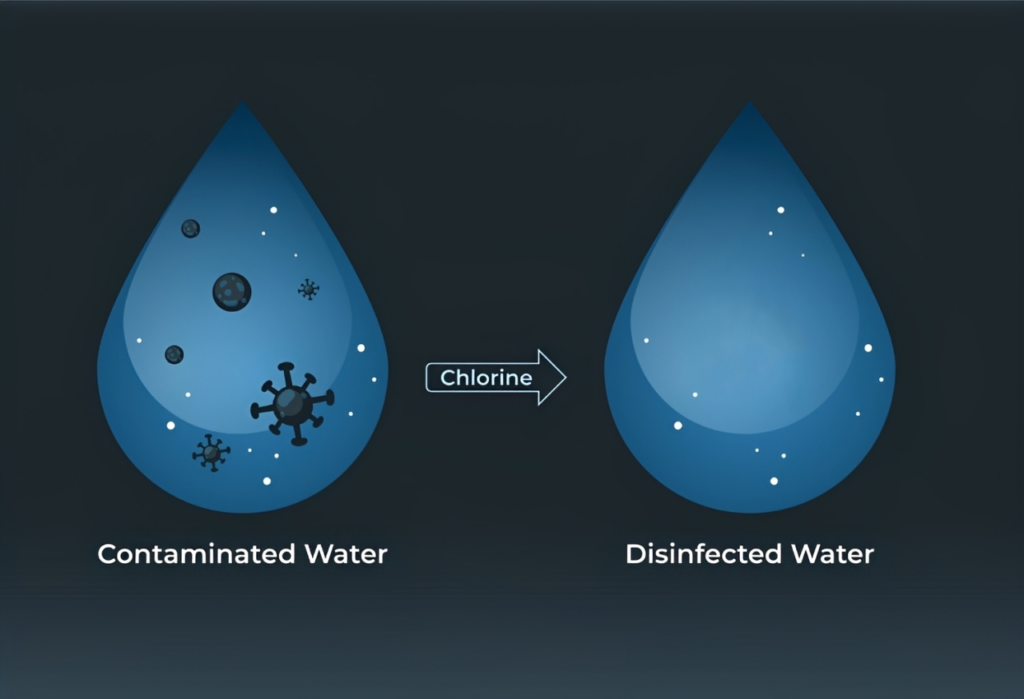
The technique of adding carefully regulated amounts of chlorine gas to a water supply to disinfect and enhance the quality of the water is known as chlorine gas water treatment. In addition to controlling taste and odour problems, oxidising iron and manganese, and preventing nuisance growth inside wells, storage facilities, and distribution systems, chlorine also kills or inactivates dangerous microorganisms that can cause waterborne illnesses. Chlorination is frequently enough to create safe drinking water because many groundwater sources already contain comparatively clean water. Because chlorine gas offers steady performance, does not deteriorate during storage, and is an affordable solution for both small and big water systems, the technology has continued to be widely employed.
Why Chlorine Gas Remains a Trusted Disinfectant
After being widely used, chlorination has greatly reduced outbreaks of waterborne illnesses, which has greatly improved public health. Because chlorine efficiently eliminates bacteria, viruses, and other dangerous germs before treated water is consumed, water treatment facilities continue to employ it. Because disinfection is frequently the sole treatment needed to provide drinkable water, chlorine is very useful for groundwater systems. Chlorine gas is a feasible choice for continuous water treatment because of its simple system design and very low running cost.
The Role of Chlorine Gas Disinfection
The ability of chlorine gas disinfection to preserve a disinfectant residue following the initial treatment procedure is one of its biggest benefits. The residual chlorine continues to shield treated water from pollution that might enter through leaks or broken pipes as it passes through pipelines and storage facilities. Consumers consistently receive clean drinking water thanks to this supplementary protection, which also helps maintain water quality throughout the distribution system.
Understanding Chlorine Gas Feed Requirements
The first step in a successful chlorination program is figuring out how much chlorine each specific water supply needs. Iron, manganese, organic matter, sulphides, and microbes that eat chlorine before disinfection is finished can all be found in water. After determining this chlorine requirement through laboratory testing, operators compute the entire dosage by adding the necessary residual chlorine concentration set by local rules. Choosing the right dosage guarantees that there is enough chlorine to meet the current need as well as the necessary disinfection residual.
Calculating the Correct Chlorine Dosage
The water flow rate and the amount of chlorine required for treatment determine the necessary chlorine gas input. The chlorine feed rate in grams per hour can be calculated simply by multiplying the water flow, expressed in cubic meters per hour, by the necessary chlorine dose, expressed in grams per cubic metre. Operators can maintain efficient disinfection while reducing needless chlorine usage by using accurate calculations. Depending on the water system’s pumping schedule, chlorine cylinders can provide continuous or intermittent operation once the necessary feed rate has been determined.

Installing an On-Site Water System Chlorine Gas Solution
Depending on the features of the well and the overall system design, many injection techniques can be used to build an on-site water system chlorine gas installation. One popular method uses a booster pump that only runs when the well pump is operating to add chlorine solution into the well pump discharge line. Another technique eliminates the requirement for a booster pump under suitable installation conditions by injecting chlorine solution back into the well using pressure from the well discharge line. Both approaches work well when they are appropriately designed and modified to meet regional operational needs.
Essential Safety and Monitoring Practices
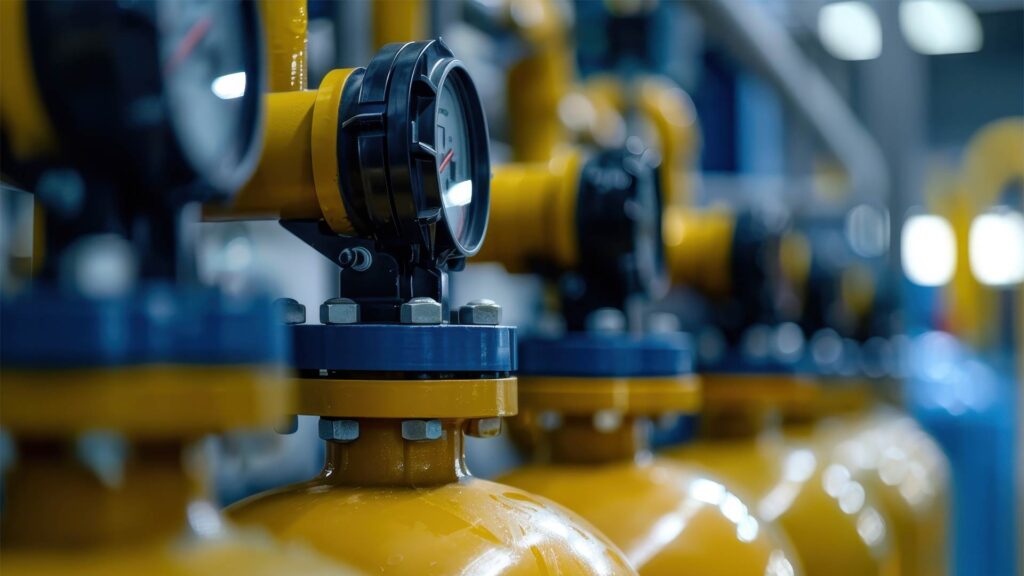
Appropriate equipment, ongoing supervision, and skilled staff are essential for safe operation. Automatic cylinder switchover equipment to provide a continuous supply of chlorine, chlorine gas detectors to detect leaks, automated container valve operators for emergency shutdown, and chlorine residual monitors to confirm treatment effectiveness are typical components of modern chlorine systems. Reliable functioning is further supported with pressure gauges, pipe strainers, and continuous cylinder scales. To guarantee the system operates safely and effectively, operators should also adhere to manufacturer specifications and undergo routine training on safety equipment and emergency protocols.
Continuous Monitoring and Water Quality
It takes more than just adding chlorine to the system to maintain water quality. To ensure that sufficient disinfection has been attained while staying within permissible bounds, operators constantly check residual chlorine levels. Regular sampling promotes adherence to operating requirements and aids in verifying treatment performance. Disinfection by-products may result from the reaction of chlorine with naturally occurring organic materials in water. To balance efficient microbiological protection with overall water quality, adequate monitoring and dosage control are crucial because their development depends on variables including chlorine dosage and contact duration.
Conclusion
Water treatment using chlorine gas is still a reliable and efficient way to safeguard drinking water sources. It has been a reliable method for decades because of its capacity to eliminate dangerous germs, preserve a disinfectant residue, and promote constant water quality. Every step of the process, from choosing the right chlorine gas supply to putting in place secure on-site water system chlorine gas installations and upholding ongoing monitoring, contributes to successful treatment. Water utilities can continue to provide safe, dependable drinking water while maintaining effective system performance with the right operating and chlorine gas disinfection procedures.
To explore the latest innovations in water and energy technologies, and discover a wide range of products and solutions from around the world, you can visit the virtual exhibition AQUA ENERGY EXPO which featuring leading companies in water treatment, desalination, and sustainable energy through the following link:
https://aquaenergyexpo.com/

