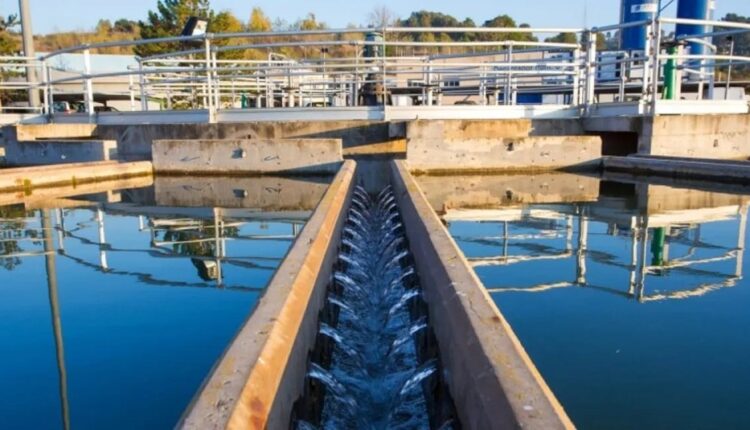

As water demand continues to grow, water treatment plants are under increasing pressure to improve capacity while controlling water and energy consumption. Traditionally, increasing treatment capacity has often meant adding new infrastructure or expanding the plant footprint.
But what if the existing system could deliver more?
Improving the filtration process itself can provide an alternative approach—one that focuses on making better use of infrastructure that is already in place.
Can Existing Systems Do More?
Filtration performance depends on more than the filter structure itself. The characteristics of the filter media can influence particle retention, head loss development, and how long a filter can operate before backwashing is required.
This makes filter media an important part of overall treatment efficiency.
According to Geir Norden, Research and Development Expert at Filtralite®, developing existing filtration processes further can create opportunities to improve efficiency without necessarily requiring major infrastructure expansion.
The focus is not simply on changing the media, but on improving the performance of the filtration process as a whole.
Why Filter Media Matters
One of the key properties influencing filtration performance is porosity.
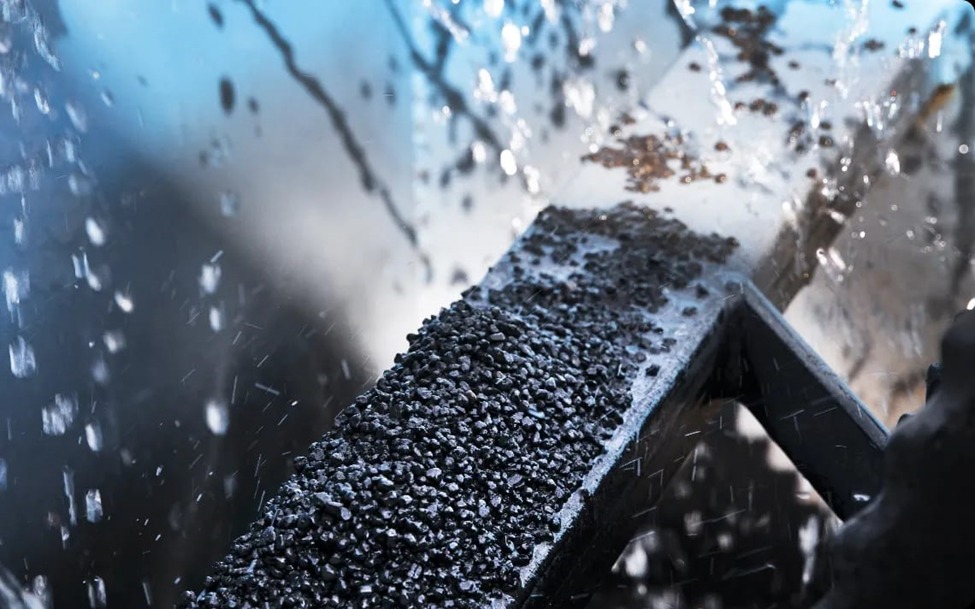
A highly porous medium provides greater void volume and surface area within the filter bed. This structure can support effective particle retention while allowing water to pass through the media efficiently.
Filtralite® develops filter media produced from lightweight expanded clay, with a highly porous structure designed to support applications where efficient contaminant removal, longer filter runs, and reduced backwashing are important operational objectives.
When a filter can operate for longer periods before backwashing, the treatment process can make more productive use of its available capacity.
Longer Filter Runs, Fewer Backwashes
Backwashing is essential for maintaining performance, but it also consumes resources and temporarily takes the filter out of service.
Longer filtration cycles can mean:
– Fewer backwash operations
– Lower water consumption
– Lower energy requirements
– Greater filter availability
– More productive use of existing capacity
This connects the characteristics of the filter media directly to the wider efficiency of the treatment plant.
Improving Existing Infrastructure
For treatment plants facing increasing demand, physical expansion is not always straightforward. Limited space, construction requirements, and the cost of new infrastructure can make capacity expansion complex.
An alternative is to examine whether the existing filtration stage can be improved.
Filtralite® filter media can be used in retrofit applications, allowing existing infrastructure to be upgraded rather than automatically replaced or expanded.
This approach can help treatment plants explore additional capacity and efficiency while making better use of assets already in place.
The implementation is simple: the existing filter media can be removed and replaced with Filtralite®, while keeping the existing filter infrastructure in place.
Performance in Practice: Llobregat Drinking Water Treatment Plant
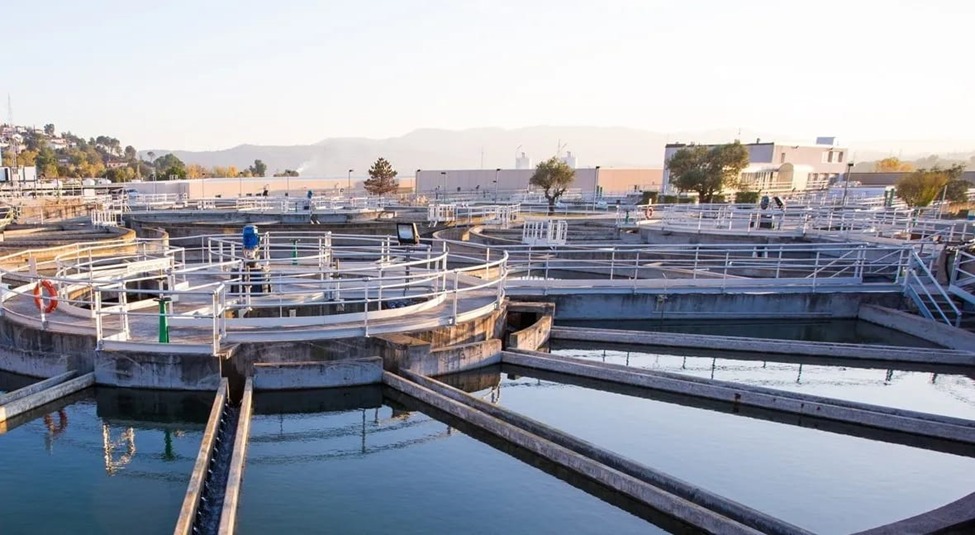
At the Llobregat Drinking Water Treatment Plant in Spain, Filtralite® Mono-Multi was compared with conventional sand filtration during an industrial-scale evaluation.
The trial treated approximately 2.78 million m³ of water over around 3,900 operating hours. The Filtralite® filter required 16 backwashes, compared with 45 for the sand filter, demonstrating the potential for longer operating cycles and fewer backwashes.
From Better Media to Better Filtration
Filtration efficiency is increasingly about achieving more from every part of the treatment process.
For plants looking to improve performance without automatically expanding their physical footprint, the filter medium can be an important engineering consideration.
Filtralite® offers a portfolio of filtration media developed for different applications:
– Filtralite® Pure — for drinking water and desalination pretreatment
– Filtralite® Clean — for wastewater and industrial water treatment
– Filtralite® Air — for odour treatment and air and gas purification
The underlying principle is straightforward: improving the properties of the filtration medium can help improve the performance of the process itself.
As water treatment plants face growing pressure to conserve resources, efficiency, and make better use of existing infrastructure, the question is no longer only how to build more capacity.
increase
It is also worth asking:
How much more performance can be achieved from the filtration capacity already in place?
For many treatment applications, that question may be the starting point for a more efficient approach to water treatment.
Contact
Eng. Mohammed Kastawy
Area Sales Manager – MENA Region
Mobile: +971565503535
Email : mohammed.kastawy@saint-gobain.com
LinkedIn: www.linkedin.com

