The Digital Transformation of Water Utilities: Driving Efficiency, Resilience and Sustainable Growth

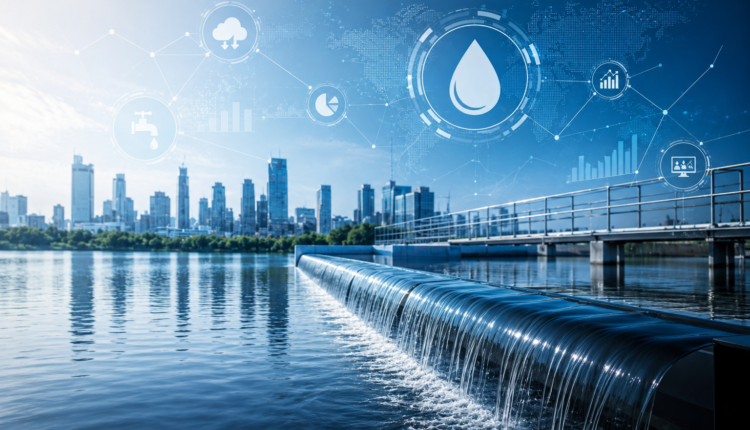
Digital transformation is rapidly reshaping the global water industry, enabling utilities to operate more efficiently, reduce operational costs, strengthen resilience, and achieve ambitious sustainability goals. From artificial intelligence and predictive analytics to cloud computing and cybersecurity, digital technologies are revolutionizing every aspect of water and wastewater operations. Organizations that embrace these innovations are positioning themselves at the forefront of the next generation of smart water infrastructure.
Energy Optimization: Driving Efficiency and Sustainability
Energy consumption represents one of the largest operating expenses for water and wastewater facilities worldwide. Today, digital technologies are transforming how utilities manage energy performance and operational efficiency. Advanced monitoring systems, intelligent process control, and AI-driven optimization enable operators to maximize pump and treatment performance while significantly reducing electricity consumption. The result is a powerful combination of lower operating costs, enhanced operational efficiency, reduced carbon emissions, and improved environmental sustainability.
Intelligent Leak Detection: Protecting Every Drop
Non-revenue water remains one of the most significant challenges facing water utilities worldwide. Fortunately, intelligent technologies are changing how operators identify and manage water losses. Smart acoustic sensors, real-time pressure monitoring systems, and AI-powered analytics enable utilities to detect leaks at an early stage, minimizing water losses, reducing maintenance costs, and improving overall distribution network performance. In an increasingly water-stressed world, protecting every drop has become both an operational and environmental priority.
Cloud Computing: Enabling Smarter Decision-Making
Cloud-based platforms have transformed operational management by providing secure, real-time access to critical information from virtually anywhere. Operators & management teams can monitor multiple facilities simultaneously, analyze performance indicators, generate operational reports & collaborate more effectively across organizations. This increased visibility and accessibility enable faster, smarter & more informed decision-making while improving operational efficiency throughout the entire water value chain.

Cybersecurity: Safeguarding Critical Water Infrastructure
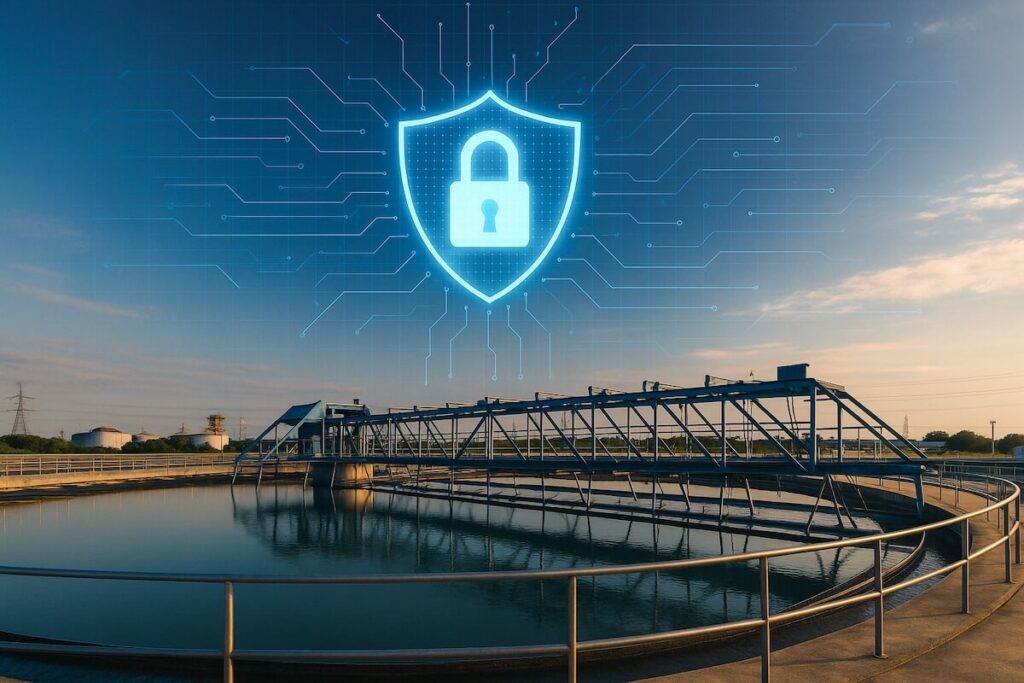
As digital technologies become increasingly integrated into water operations, cybersecurity has evolved into a strategic priority for utilities worldwide. Modern water organizations are investing in secure communication protocols, encrypted data transmission, identity & access management systems & continuous network monitoring to protect critical infrastructure from emerging cyber threats. A secure digital environment not only safeguards operational continuity but also strengthens long-term resilience & protects valuable assets.
Case Study |
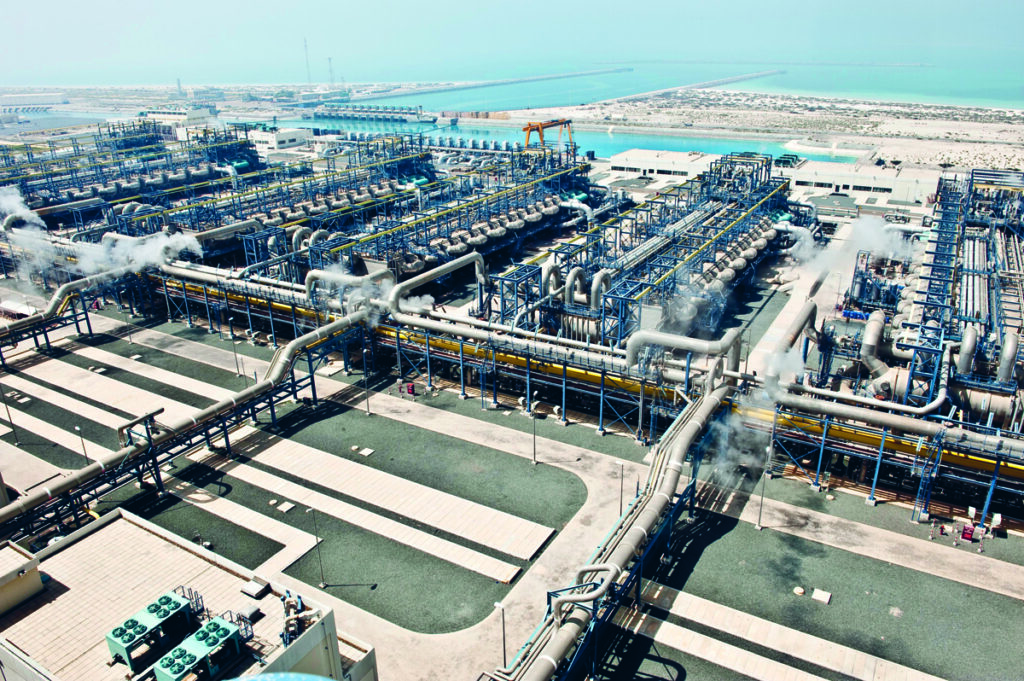
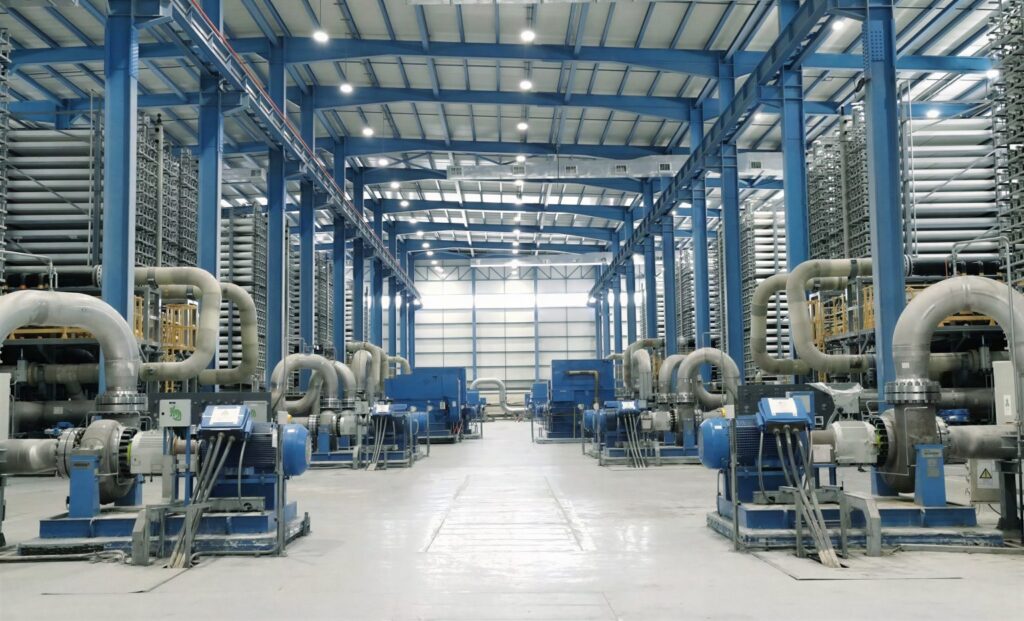
Taweelah Reverse Osmosis Plant: A Global Benchmark for Digital Water Infrastructure
The Taweelah Reverse Osmosis Plant in the United Arab Emirates is one of the world’s largest seawater reverse osmosis facilities and represents a leading example of digital transformation in the water sector. The facility incorporates advanced SCADA systems, real-time monitoring platforms, predictive maintenance technologies, intelligent asset management solutions, and continuous operational analytics to optimize every stage of the desalination process. These advanced digital capabilities have enabled significant improvements in energy efficiency, reduced unplanned downtime, enhanced asset reliability, and consistently high water quality performance while supporting one of the region’s largest potable water production capacities. The Taweelah project clearly demonstrates that strategic investment in digital technologies delivers measurable operational improvements while strengthening sustainability, resilience, and long-term performance.
Building Digital Capabilities for Long-Term Success
Technology alone cannot deliver successful digital transformation. Long-term success depends on skilled professionals who can effectively interpret operational data, leverage intelligent technologies, and continuously optimize plant performance. Developing digital competencies, investing in workforce capabilities, and fostering a culture of innovation remain essential for maximizing the value of modern technologies and ensuring sustainable operational excellence.
The Future of Water Starts Now
The future of water management will be defined by intelligent infrastructure, predictive analytics, automation, artificial intelligence, and fully connected operational ecosystems. Organizations that invest in digital transformation today will be best positioned to improve efficiency, reduce operating costs, strengthen resilience, and achieve ambitious sustainability objectives. Digital transformation is no longer a vision for the future; it is the foundation upon which the next generation of smart, efficient, resilient, and sustainable water utilities is being built.
Discover More: https://mg.aquaenergyexpo.com/issue/

