


The water sector is entering a new era driven by digital innovation and artificial intelligence (AI). Around the world, utilities are seeking smarter ways to manage resources, improve operational efficiency, and address growing challenges such as water scarcity, aging infrastructure, and increasing service demands. China has emerged as one of the leading countries in the implementation of digital water technologies, combining advanced data analytics, intelligent monitoring systems, and AI-powered decision-making tools. These developments are transforming the way water utilities operate and maintain their networks. The Chinese experience offers valuable insights for utilities worldwide seeking to accelerate their digital transformation journey.
The Rise of Digital Water in China
China’s rapid urbanization and industrial growth have created significant pressure on water resources and infrastructure. To address these challenges, utilities have increasingly adopted digital water strategies that integrate sensors, cloud platforms, and artificial intelligence into daily operations.
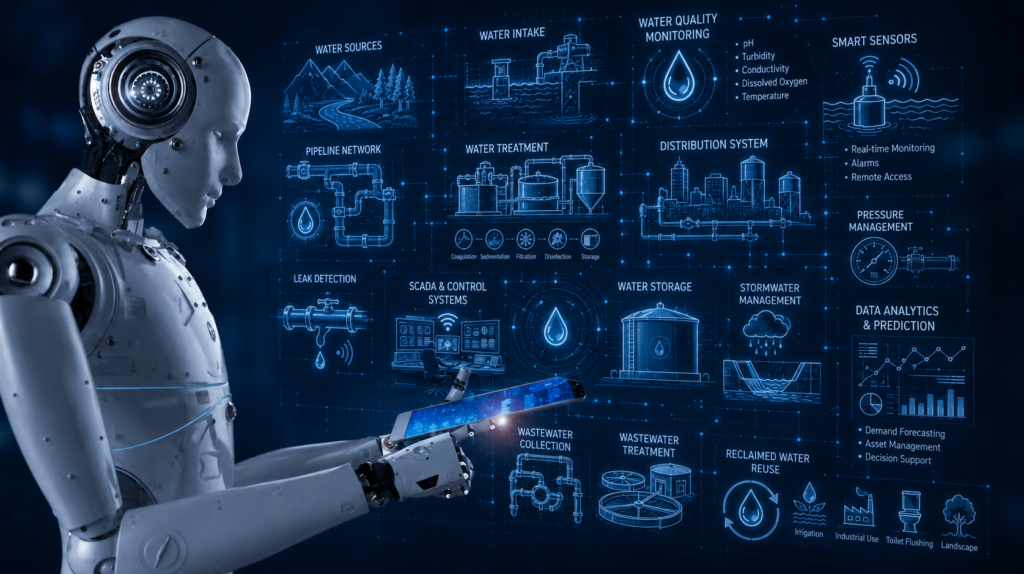
Digital water systems collect vast amounts of information from treatment plants, distribution networks, pumping stations, and customer connections. AI technologies analyze these data streams in real time, enabling utilities to detect anomalies, optimize performance, and make informed decisions. This shift from traditional management methods to data-driven operations represents a major step toward more resilient and sustainable water services.

AI-Powered Data Analytics and Decision Support
One of the most important applications of artificial intelligence in the water sector is advanced data analytics. Water utilities generate enormous amounts of operational data every day, but extracting actionable insights from it can be challenging. AI algorithms can process large datasets rapidly and identify patterns that would otherwise remain hidden. In China, digital water platforms are increasingly using machine learning models to support operational planning, performance assessment, and strategic decision-making. By transforming raw data into valuable intelligence, AI helps utility managers improve resource allocation, reduce operational uncertainty, and respond more effectively to changing conditions across their networks.
Predictive Maintenance and Asset Management
Aging infrastructure remains a major concern for water utilities worldwide. Unexpected equipment failures can lead to service interruptions, increased maintenance costs, and water losses. AI is helping Chinese utilities move from reactive maintenance to predictive maintenance. By continuously monitoring equipment performance & operational parameters.
AI systems can identify early warning signs of potential failures. Utilities can then schedule maintenance activities before breakdowns occur. This proactive approach improves asset reliability, extends equipment lifespan, and reduces operational risks. Predictive maintenance also allows utilities to optimize maintenance budgets while ensuring uninterrupted service delivery to customers.
Intelligent Leak Detection and Network Monitoring
Water losses caused by leaks and pipe failures represent a significant challenge for utilities. Traditional leak detection methods often require extensive field inspections and may not identify problems quickly enough. AI-enabled monitoring systems offer a more efficient solution. By analyzing pressure data, flow measurements, and network behavior patterns, AI can detect abnormalities that indicate potential leaks. In China, utilities are increasingly deploying intelligent monitoring platforms that provide real-time alerts and precise leak localization. These technologies reduce non-revenue water, improve network efficiency, and minimize water wastage. Enhanced visibility across distribution systems enables faster response times and more effective infrastructure management.
Optimizing Treatment Plant Operations
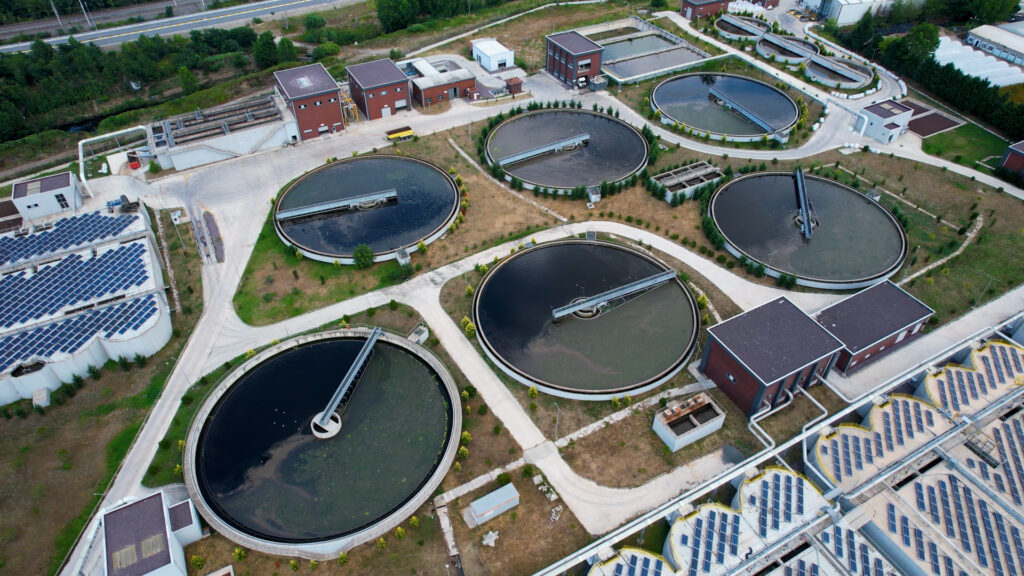
Water and wastewater treatment facilities involve complex processes that require careful control and continuous optimization. AI technologies are helping operators improve treatment efficiency while reducing energy consumption and operating costs. Intelligent systems can analyze process data, predict performance trends, and recommend operational adjustments. In Chinese treatment plants, AI applications are being used to optimize chemical dosing, improve filtration performance, and enhance biological treatment processes. By supporting operators with real-time insights, AI contributes to more stable plant performance and improved water quality outcomes. These benefits are particularly valuable as utilities strive to meet increasingly stringent environmental standards.
Enhancing Water Security and Emergency Response
Climate variability, extreme weather events, and infrastructure vulnerabilities are increasing the importance of water security. Artificial intelligence provides powerful tools for risk assessment and emergency preparedness. By integrating information from multiple sources, including weather forecasts, operational systems, and historical records, AI can help utilities anticipate potential disruptions and develop effective response strategies. Chinese digital water initiatives increasingly incorporate predictive models that support contingency planning and crisis management. During emergencies, AI-powered systems can provide rapid analysis and decision support, enabling utilities to respond more efficiently and maintain essential services under challenging conditions.

Strategic Insights for the Global Water Sector
China’s experience demonstrates that successful digital transformation requires more than technology adoption alone. Strong leadership, clear strategic objectives, and organizational readiness are equally important. Utilities must invest in data governance, workforce development, and cross-functional collaboration to fully realize the benefits of AI. The Chinese digital water journey highlights the importance of integrating technological innovation with operational expertise and long-term planning. For water utilities worldwide, these lessons provide a valuable roadmap for implementing AI solutions that deliver measurable improvements in efficiency, sustainability, and service quality while supporting future growth and resilience.
Conclusion
Artificial intelligence is rapidly becoming a cornerstone of the modern water sector. China’s advancements in digital water technologies illustrate how AI can transform utility operations, improve asset management, reduce water losses, optimize treatment processes, and strengthen emergency preparedness. As water challenges become increasingly complex, data-driven decision-making will play a critical role in ensuring sustainable and reliable services. While each utility faces unique circumstances, the strategic lessons emerging from China’s experience offer valuable guidance for organizations embarking on their own digital transformation journeys. The future of water management will be shaped by intelligent technologies, and AI is positioned to become one of the most influential tools in achieving operational excellence and long-term sustainability.
Discover More: https://mg.aquaenergyexpo.com/issue/

