
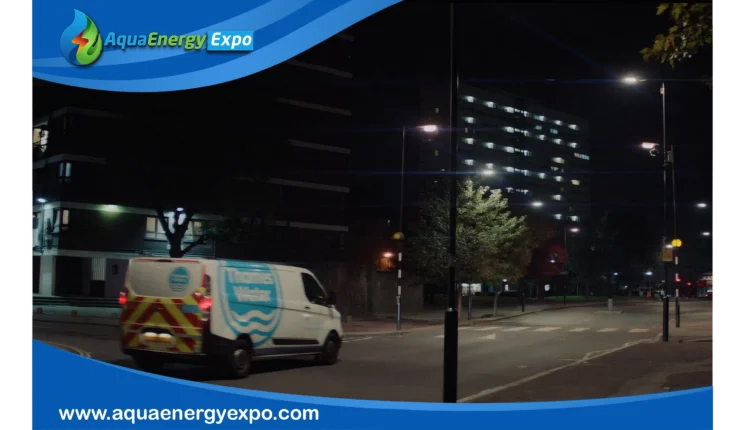

In July 2026, England experienced its driest month on record in 190 years, as reported by the Met Office. In response, Thames Water is utilizing artificial intelligence, satellite imagery, and tens of thousands of acoustic sensors to expedite leak detection and repairs, as drought conditions and temporary usage restrictions intensify the strain on water supplies in the area. Extended dry periods can lead to ground shrinkage and movement, thereby increasing stress on underground pipes, which heightens the likelihood of leaks and ruptures. Presently, Thames Water is addressing over 1,000 leaks weekly and has achieved a reduction in leakage across its network by more than 15% since the 2019/2020 period. Notably, in July of this year, the company discovered 88% more leaks compared to July 2025.
Many underground leaks can be difficult to detect until they cause significant damage. The UK’s largest water provider has now deployed over 75,000 acoustic sensors throughout its network, a substantial increase from 21,000 in 2025, to assist in locating these hidden leaks. This technology has nearly doubled the accuracy of leak detection.
Acoustic sensors are designed to pick up the unique sounds produced when pressurized water escapes from pipes. These sounds can travel hundreds of meters through both soil and piping. This technology enables engineers to locate concealed leaks before they become apparent or cause disruptions.
Additionally, Thames Water employs an AI-based leak detection system that leverages satellite data to spot leaks. The utility collaborates with Origin Orbit to identify ground anomalies that suggest underground water leaks. Satellites collect data that can reveal moisture variations, temperature discrepancies, and soil disturbances, all of which are not visible to the naked eye.
During an initial 19-week trial, Origin Orbit assisted Thames Water in detecting over 800 leaks, resulting in an estimated daily water savings of 8.7 million liters—enough to fill more than three Olympic-sized swimming pools each day.
Shane Gloster, Thames Water’s Head of Leakage, stated:
“Rapidly identifying and repairing leaks is crucial for safeguarding water supplies during extended dry spells, alongside urging customers to adhere to temporary usage restrictions.
“The integration of advanced technologies provides quicker and more precise insights into network issues, allowing us to operate more efficiently in our efforts to minimize water loss.”
Thames Water is also undertaking the largest upgrade of its network to ensure its future resilience. The company has recently surpassed the replacement of 100 kilometers of mains pipes since 2025, with a goal of replacing 550 kilometers by 2030.
Source: Thames Water

