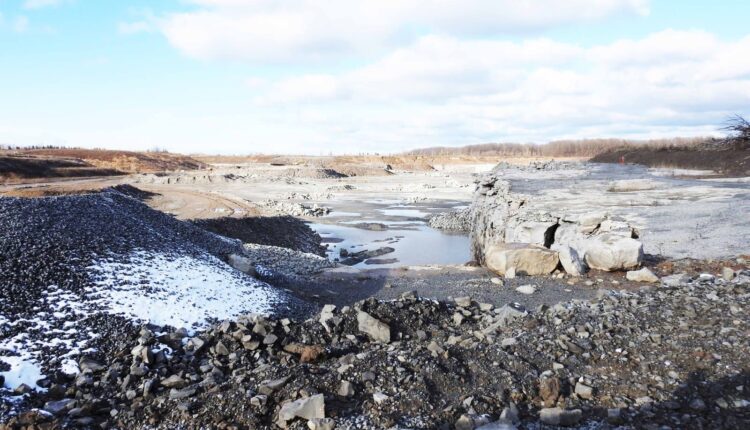
Niagara Falls City Dump: Understanding Methane Emissions and Landfill Gas Management

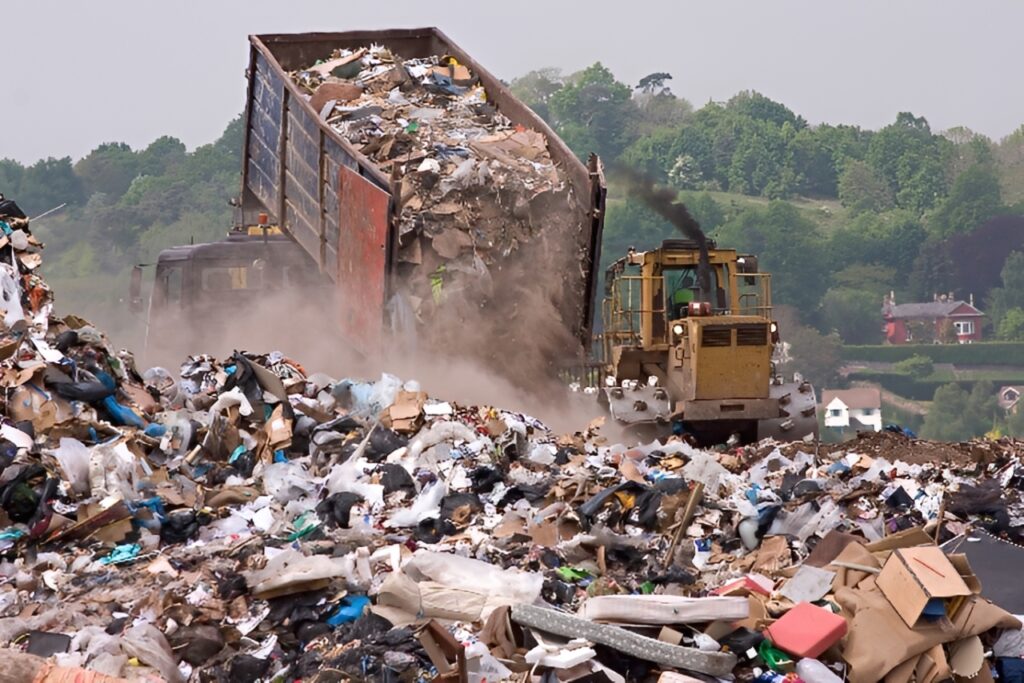
The Niagara Falls City Dump serves as a prominent illustration of the critical need for effective management of landfill gas and control of methane emissions. While landfills are essential for waste management, they generate landfill gas as organic materials break down over time. Methane, a major component of this gas, is a potent greenhouse gas that poses environmental and safety risks if not adequately controlled. Recent regulatory measures regarding the Niagara Falls City Dump highlight how efficient gas collection systems and compliance with environmental regulations can minimize emissions and safeguard nearby communities.
What Is Methane and How Is It Formed?
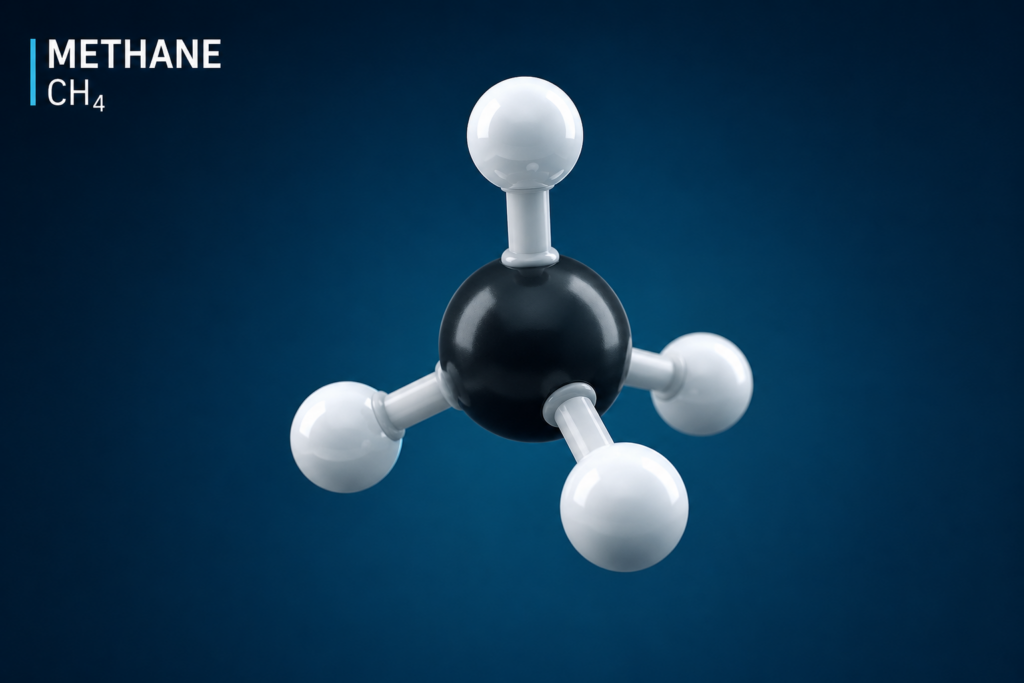
Methane (CH₄) is a gas that occurs naturally in low amounts within the Earth’s atmosphere. It is a colorless, odorless, and flammable substance made up of carbon and hydrogen. While methane is produced naturally in settings like wetlands and swamps, human activities, particularly the disposal of organic waste in landfills, also contribute to its generation.
Within a landfill, microorganisms break down organic materials through anaerobic decomposition, which occurs without oxygen. Initially, when municipal solid waste is added to a landfill, decomposition takes place with some oxygen present, resulting in minimal methane production. As oxygen levels dwindle, bacteria that produce methane take over the decomposition process, leading to increased methane output. Different areas of a landfill can be at various stages of decomposition at the same time, ensuring that landfill gas production continues for many years after the waste has been deposited.
Landfill Gas and Its Environmental Impact
Landfill gas is mainly composed of methane and carbon dioxide, along with small quantities of other trace gases. Even after a landfill ceases to accept waste, gas production can persist for over 50 years as decomposition continues.
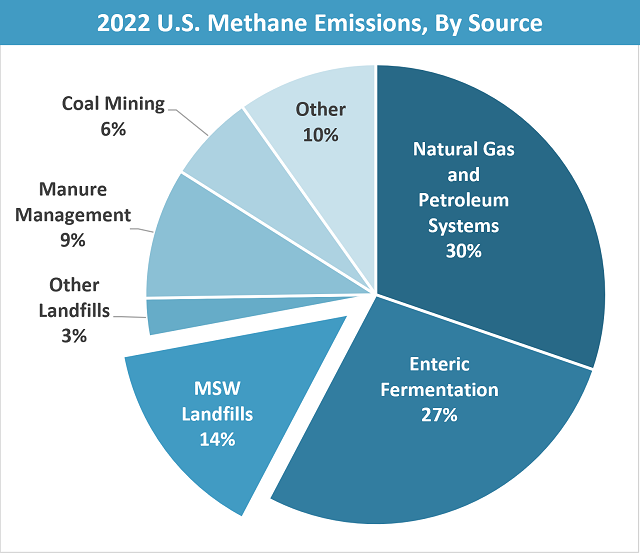
Municipal solid waste landfills are significant contributors to human-caused methane emissions in the United States, accounting for around 14.4 percent of these emissions in 2022. This level of methane emissions is estimated to be equivalent to the greenhouse gas output from over 24 million gasoline-powered cars driven for an entire year, or the annual carbon dioxide emissions related to the energy consumption of more than 13 million households.
Methane has emerged as a critical environmental issue due to its role in greenhouse gas emissions. The U.S. Environmental Protection Agency (EPA) classifies methane as a climate super pollutant, being 25 times more effective than carbon dioxide in trapping heat. The agency also estimates that methane constitutes roughly 12 percent of all greenhouse gas emissions produced by human activities in the United States.
Safety Risks Associated with Landfill Methane
In addition to its environmental impacts, methane poses considerable safety risks when it accumulates in significant amounts. Even after a landfill is closed, methane and other gases continue to be produced. If adequate gas management systems are not in place, these gases can move through the surrounding soil and infiltrate nearby buildings or confined areas like service pits or under flooring.
Methane becomes particularly hazardous when its concentration reaches between 5 and 15 percent of the ambient air, as it can ignite in the presence of an ignition source and sufficient oxygen. Furthermore, landfill gas that contains methane and carbon dioxide can displace oxygen, leading to asphyxiation risks that may cause symptoms such as headaches, nausea, vomiting, agitation, and slurred speech.
Due to these dangers, monitoring landfill gas and implementing effective control systems are vital aspects of landfill management.
Niagara Falls City Dump and EPA Enforcement
The Niagara Falls City Dump has recently come under regulatory scrutiny from the U.S. Environmental Protection Agency. Allied Waste Niagara Falls Landfill LLC settled, facing a $671,000 fine for breaching the federal Clean Air Act.
As part of this agreement, the landfill committed to installing a gas collection and control system aimed at significantly curtailing methane and other emissions from landfill gas. The EPA estimates that the new system will eliminate approximately 86,000 metric tons of carbon dioxide equivalent methane emissions and prevent around 32 metric tons of non-methane landfill gas emissions annually.
Additionally, the settlement mandates that the landfill operator cap vents on inactive sections, continuously monitor gas wells and emissions, secure updated state permits, including a Title V major source permit, and maintain accurate compliance records.
According to the complaint lodged by the U.S. Department of Justice on behalf of the EPA, the landfill failed to timely install and operate an adequate gas collection and control system for both active and inactive landfill cells. This oversight led to excessive landfill gas emissions escaping into the atmosphere and contributed to persistent odor complaints from residents.
Landfill Gas Collection and Beneficial Use
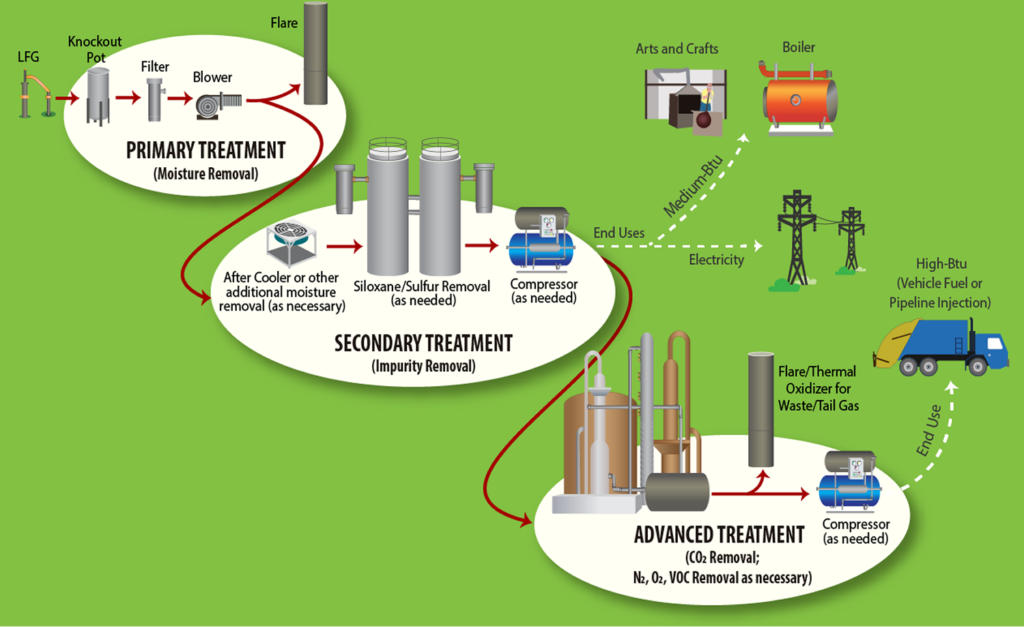
Instead of allowing landfill gas to escape into the atmosphere, it can be captured and transformed into a valuable energy resource. A network of wells extracts landfill gas, which is then moved to a central processing site via blower or vacuum systems. After treatment, the gas can either be safely flared or utilized in various energy applications.
Electricity Generation
The most prevalent application of landfill gas energy projects is electricity generation. Technologies such as reciprocating internal combustion engines, turbines, microturbines, and fuel cells can produce electricity for on-site use or for distribution to the electrical grid. Cogeneration systems enhance efficiency by generating both electricity and thermal energy.
Direct Use of Medium-Btu Gas
Landfill gas can also serve directly as a fuel substitute for natural gas, coal, or fuel oil in boilers, dryers, kilns, greenhouses, and other industrial heating applications. Innovative uses extend to evaporating leachate, firing pottery and glass-blowing kilns, powering greenhouses, and evaporating waste paint. Various industries, including automobile manufacturing, chemical production, food and beverage processing, pharmaceuticals, cement and brick manufacturing, wastewater treatment, paper production, steel manufacturing, hospitals, prisons, and consumer electronics, have harnessed landfill gas for these applications.
Renewable Natural Gas
Another significant option is upgrading landfill gas to renewable natural gas (RNG). Through treatment processes that enhance methane concentration while reducing carbon dioxide, nitrogen, and oxygen levels, RNG can effectively replace fossil natural gas. It can be utilized as pipeline-quality gas, compressed natural gas (CNG), liquefied natural gas (LNG), for electricity generation, thermal applications, or as vehicle fuel.
Conclusion
The Niagara Falls City Dump exemplifies both the environmental issues and the opportunities related to managing landfill methane. Methane produced from the breakdown of organic waste significantly contributes to greenhouse gas emissions and poses potential fire and health risks if not properly managed. Nevertheless, the implementation of effective gas collection systems, ongoing monitoring, regulatory adherence, and the advantageous use of landfill gas as an energy source can greatly mitigate these dangers. The EPA settlement concerning the Niagara Falls City Dump underscores the necessity of establishing proper landfill gas control measures to lower methane emissions, enhance environmental performance, and promote safer landfill operations.
To explore the latest innovations in water and energy technologies, and discover a wide range of products and solutions from around the world, you can visit the virtual exhibition AQUA ENERGY EXPO which featuring leading companies in water treatment, desalination, and sustainable energy through the following link:
https://aquaenergyexpo.com/

