

PFAS in Water Treatment: How Filtralite® Supports a Combined Treatment Approach

Per- and polyfluoroalkyl substances (PFAS) are persistent contaminants that present a complex challenge for water treatment facilities. Addressing them requires treatment processes tailored to the characteristics of the contaminants and the quality requirements of the treated water.
A combined treatment approach allows each process to serve a specific purpose. Effective pretreatment can play an important role by supporting particle removal before subsequent treatment stages.
Why One Treatment Process Is Not Enough
PFAS can be present in different forms, affecting how they can be removed:
- Particle-associated PFAS: Can be captured when the particles carrying them are removed through filtration.
- Dissolved PFAS: Require specialised treatment technologies designed to address dissolved compounds.
Understanding this distinction helps water utilities select appropriate treatment processes rather than relying on conventional filtration alone.
Filtralite®: Supporting the Pretreatment Stage
Geir Norden, Research and Development Expert at Filtralite, explains that Filtralite® can contribute to a combined PFAS treatment strategy when used as part of the pretreatment stage.
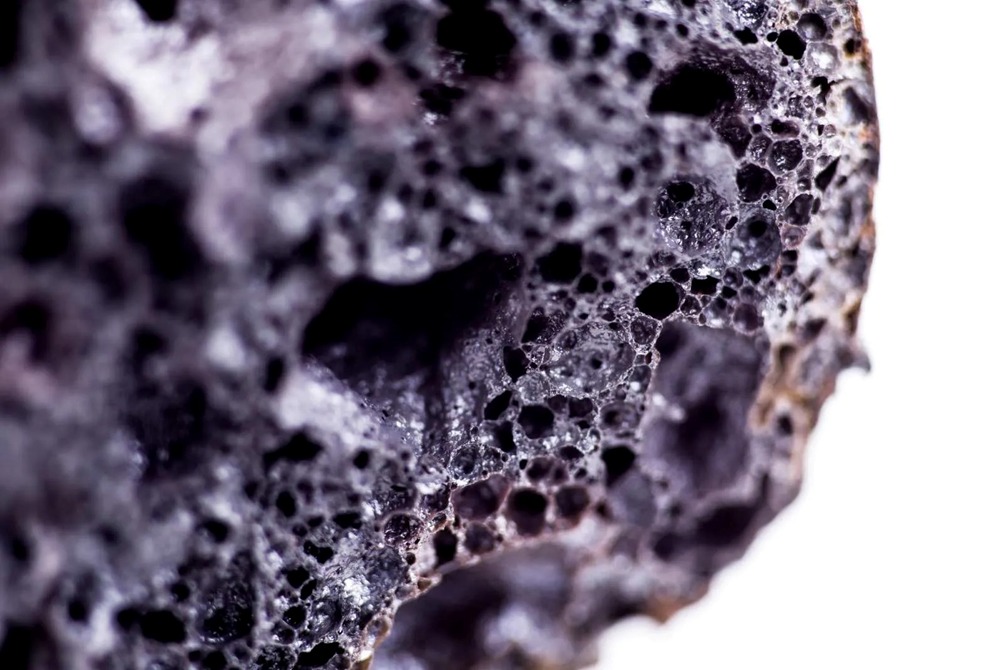
Its lightweight expanded-clay filter media has a highly porous structure and can be used in granular filtration or biofiltration to help capture PFAS associated with particles, supporting subsequent treatment processes.
Filtralite® therefore has a supporting role within a broader treatment system; it is not a standalone solution for dissolved PFAS, which require specialised treatment technologies.

Geir Norden
Research and Development Expert
Filtralite®
Designing an Integrated PFAS Treatment System
Selecting an appropriate treatment sequence involves three key considerations:
- Source-water characteristics: Identify the contaminants present and their relevant properties.
- Treatment requirements: Match filtration and specialised technologies to their intended functions.
- Residual management: Plan for the safe handling of PFAS-containing materials captured during treatment.
Capturing PFAS does not destroy them. PFAS retained in filter media or treatment residuals may require further treatment and appropriate management to prevent their release back into the environment.
Considering these factors together helps water utilities develop treatment systems suited to their specific water quality objectives. A comprehensive strategy must address both contaminant removal from water and the subsequent management of PFAS-containing residuals.
Integrating Filtralite® into a Combined Treatment Strategy
By giving filtration a defined role within a combined treatment system, water utilities can make better use of Filtralite®’s capabilities as part of a broader approach to PFAS management.
Conclusion
Effective PFAS management depends on selecting complementary treatment processes and planning for the responsible handling of captured contaminants. Filtralite® can support pretreatment within this broader approach, while dissolved PFAS require specialised treatment and PFAS-containing residuals need appropriate management.
Contact
Eng. Mohammed Kastawy
Area Sales Manager – MENA Region
Mobile: +971565503535
Email : mohammed.kastawy@saint-gobain.com
LinkedIn: www.linkedin.com

