
Tunisia and the African Development Bank concluded two financing deals in Tunis on 22 September 2026, amounting to roughly $240 million. The funds are intended to upgrade the drinking water systems servicing the capital, Tunis, and to support the overhaul of aging production facilities belonging to the state-owned Tunisian Chemical Group (GCT).
The first agreement consists of a €111.5 million loan, secured by a government guarantee, to the national water utility distributor Société Nationale d’Exploitation et de Distribution des Eaux (SONEDE). It will finance the Greater Tunis Drinking Water Network Technical and Energy Performance Improvement Project (PAP-GT).
The second arrangement provides a $110 million loan to GCT, also backed by a sovereign guarantee, for the Environmental Upgrading and Rehabilitation Support Project for the Tunisian Chemical Group’s Production Units (PAER-GCT). This financing will help carry out GCT’s wider investment programme aimed at restoring production capacity, improving its management systems, and speeding up environmental and energy-related upgrades.
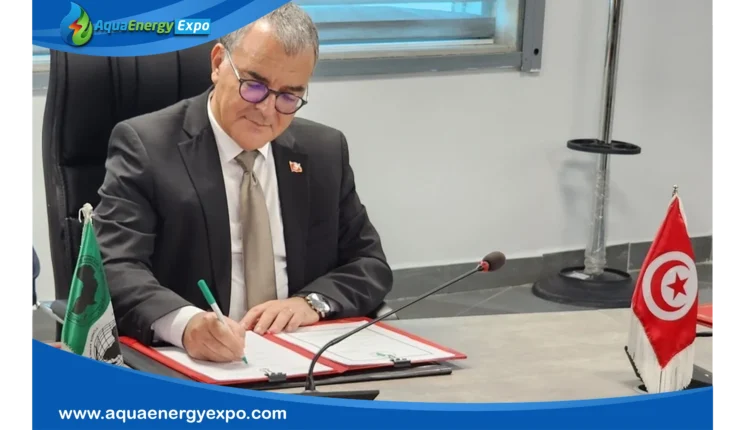
Samir Abdelhafidh, Tunisia’s Minister of Economy and Planning and the country’s Governor of the African Development Bank Group, signed the government guarantee agreements with Malinne Blomberg, the Bank’s Deputy Director General for North Africa and Tunisia Country Manager. The corresponding loan documents were also signed by SONEDE Chief Executive Abdelhamid Mnaja and GCT head Omar Bouzouanda.
“The two projects covered by these financing agreements align with the priorities of Tunisia’s 2026–2030 Development Plan, particularly the pillar on food, energy and water security and the preservation of a healthy environment,” Abdelhafidh said.
The initiative is designed to strengthen and streamline potable water delivery for about 2.9 million residents across Greater Tunis. It includes restoring 25 km of transmission lines and upgrading 113 km of distribution mains, modernising three water distribution facilities, and introducing leak-detection technology.
The project will also combine water and energy measures by adding 17 MW of solar generation, installing energy-recovery turbines at pressure-reducing sites, and upgrading electromechanical components. A digital upgrade will roll out 120,000 smart meters for roughly 500,000 people, along with remote metering and network management tools to help operators oversee the system more proactively.
For PAER-GCT, resources will be directed to GCT installations in Gabès, Skhira, and M’Dhilla to enhance environmental, energy, and operational outcomes. Planned actions include addressing atmospheric emissions, modernising key facilities, and improving energy efficiency. In Gabès, capturing available steam is projected to provide 23 MW of self-generated power.
“Industrial transformation must go hand in hand with reducing all forms of pollution and sustainably improving people’s living environment,” Blomberg said. She added that modernising GCT should deliver “more reliable production, improved environmental performance and stronger competitiveness.”
Overall, both agreements are part of the African Development Bank–Tunisia partnership supporting the goals of the country’s 2026–2030 National Development Plan. These goals focus on modernising infrastructure, advancing the green transition, boosting energy efficiency, and improving essential public services.
Source: African Development Bank

