Satellite IoT: Revolutionizing the Monitoring and Management of Remote Water Systems

Water is one of the most precious natural resources, and proper management of the water is vital for communities, agriculture, industries, and environmental sustainability. But there are still major challenges in monitoring water systems in remote locations. Water reservoirs, pipelines, irrigation networks, and pumping stations are often located in remote areas where conventional communication infrastructure is unavailable or unreliable. This makes it difficult to collect real-time data and respond quickly to issues such as leaks, equipment failures, or water quality issues.
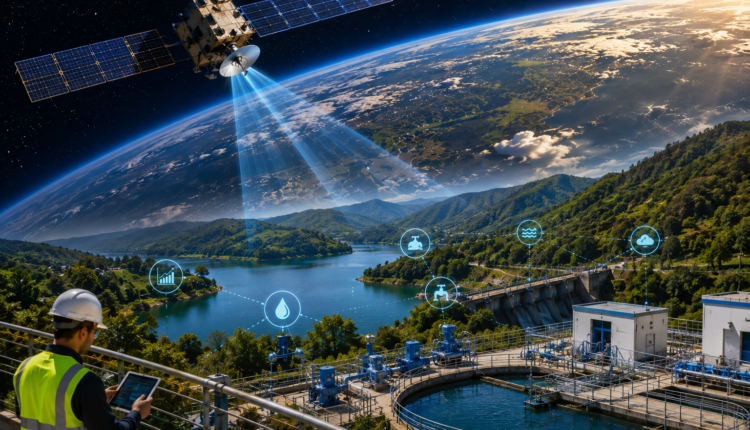
Recent developments in Internet of Things (IoT) and satellite communication technologies have provided a promising solution to these challenges. Satellite IoT is where connected sensors meet satellite networks, enabling data to be transmitted from just about anywhere on Earth. Satellite IoT is transforming remote monitoring and control of water systems by offering reliable connectivity outside the reach of cellular networks.
Understanding Satellite IoT
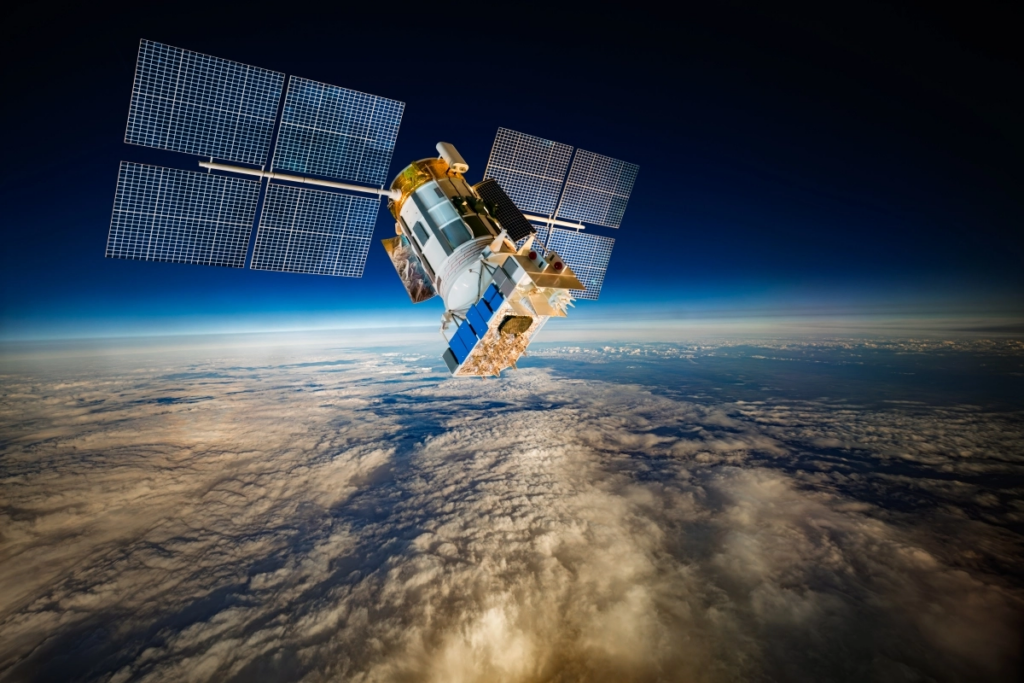
The Internet of Things (IoT) is a network of devices embedded with sensors, software, and other technologies that enable data collection and sharing. IoT devices can be used in water management systems for parameters like water level, pressure, flow rate, temperature, and water quality. Traditional IoT systems mainly use cellular, Wi-Fi, or terrestrial communication networks. These technologies work well in urban and populated areas but may not provide enough coverage in remote areas. This is overcome by satellite IoT, whereby data is sent via satellite, not through ground-based infrastructure. Satellite IoT allows sensors placed in remote water facilities to send data directly to satellites, which then send it to cloud platforms and monitoring centers. This provides operators with real-time information, regardless of the mon.

Critical Challenges Facing Remote Water System Monitoring
There are many monitoring challenges for remote water systems. One of the biggest problems is the absence of a communication infrastructure. Many water assets are in deserts, mountains, forests, or rural areas with limited or no cellular coverage. Another obstacle is the high cost of manual inspections. Water utilities often have to send staff to inspect reservoirs, pumping stations, or pipelines. These inspections take time, travel, and labor – all of which increase operating costs.
In addition, late detection of problems can have serious consequences. A small leak in a remote pipeline can go unnoticed for days or weeks, resulting in large losses of water and damage to infrastructure. Failures in pumps or problems with water quality, if not quickly identified, could also jeopardize the reliability and safety of water supplies. These challenges underscore the need for a monitoring solution that provides continuous visibility for remote water systems.
How Satellite IoT Improves Water Monitoring
Satellite IoT facilitates remote water monitoring by providing continuous connectivity and real-time access to critical operational data. Sensors placed all over the water system take readings and send them through satellite networks to central platforms. Operators can access this information via dashboards and can be notified when abnormal conditions are detected. For example, if the water level in a tank falls below a predetermined level or the pressure in a pipeline fluctuates unexpectedly, the system can notify maintenance personnel automatically.
This real-time monitoring allows organizations to transition from reactive maintenance to proactive management. Operators can identify potential issues early and take corrective action before they escalate, instead of waiting for failures to occur. Also, since satellite networks offer broad geographical coverage, monitoring can be done even in places where terrestrial communication networks are not available. This guarantees continuous data collection and increases overall system reliability.
Applications of Satellite IoT in Water Monitoring
Monitoring Levels of Water
One of the most common applications of Satellite IoT is monitoring water levels in reservoirs, storage tanks, rivers, and dams. Sensors continuously measure water levels and transmit data to operators. This information helps utilities manage water supplies efficiently and prepare for droughts, floods, or seasonal demand fluctuations.
Leak Detection and PipelineMonitoring
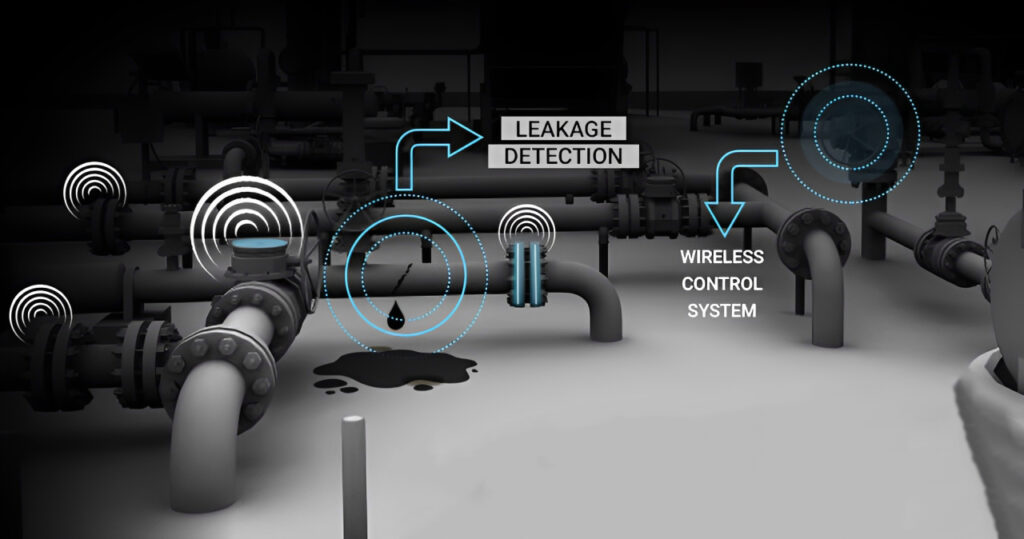
Water leakage is a major challenge for utilities worldwide. Satellite IoT-enabled sensors can detect unusual pressure changes or flow patterns that indicate potential leaks. Early detection reduces water losses, minimizes repair costs, and prevents.
Monitoring of Water Quality
Maintaining water quality is essential for public health and environmental protection. Sensors can measure parameters such as pH, turbidity, temperature, and dissolved oxygen. Satellite connectivity allows these measurements to be transmitted from remote locations in real time, enabling rapid responses to contamination events or environmental changes.
Irrigation Management
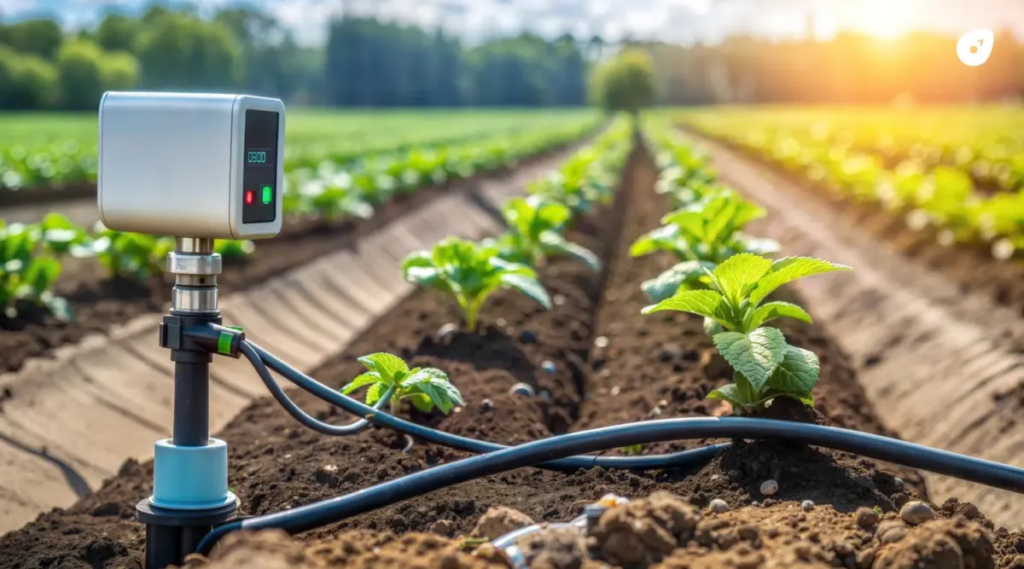
Agricultural irrigation systems often cover vast areas where communication infrastructure is limited. Satellite IoT allows farmers and irrigation managers to monitor water usage, soil moisture levels, and irrigation equipment performance remotely. This improves water efficiency and supports sustainable agricultural practices.
Monitoring of Pumping Stations
Pumping stations play a critical role in water distribution networks. Satellite IoT can monitor pump performance, energy consumption, and operational status. Automated alerts help operators detect equipment failures early and reduce downtime.
Key Benefits of Satellite IoT for Remote Water Systems
Global Connectivity
Perhaps the most significant advantage of Satellite IoT is its ability to provide connectivity almost anywhere. Unlike cellular networks, satellite coverage extends to remote and isolated locations, ensuring that critical water infrastructure remains connected.
Real-Time Data Access
Satellite IoT enables continuous data collection and transmission. Operators can access current information rather than relying on periodic inspections or delayed reports. Real-time visibility improves decision-making and operational efficiency.
Reduced Operational Costs
By reducing the need for frequent site visits, Satellite IoT lowers transportation and labor expenses. Remote monitoring allows organizations to focus maintenance efforts where they are truly needed, improving resource allocation.

Improved Reliability and Resilience
Water systems often serve critical communities and industries. Continuous monitoring helps ensure that potential problems are detected and addressed quickly, improving service reliability and system resilience.
Better Resource Management
Accurate and timely data allows utilities and water managers to optimize water distribution, reduce losses, and improve conservation efforts. This contributes to more sustainable use of water resources.
Considerations in Satellite IoT Implementation
While Satellite IoT provides many benefits, there are a few things to consider when deploying these systems. Deployment costs could be higher than those of conventional monitoring systems, especially where specialized sensors and satellite communication equipment are necessary. Power management is another significant consideration. Many remote monitoring devices are powered by batteries or solar energy, making energy-efficient communication technologies essential.
Organizations also have to deal with cybersecurity concerns. Protecting data and communication networks from unauthorized access is becoming more important as more devices become connected. Despite these challenges, continuing technological advancements are lowering costs, increasing energy efficiency, and improving security, making Satellite IoT more accessible for water management applications.
Future of Satellite IoT in Water Monitoring
The future of Satellite IoT is strongly linked to the growth of low-Earth orbit (LEO) satellite constellations. These new satellite networks increase coverage, reduce latency, and lower communication costs. Also, the use of artificial intelligence and advanced analytics will further enhance water monitoring capabilities.
AI-based systems are able to process sensor data, identify patterns, and predict possible failures before they occur. This predictive approach will assist utilities in optimizing their maintenance strategies and improving their operational performance. As satellite technology keeps evolving, Satellite IoT is set to be a more important part of smart water management systems around the world.
Case Studies

Agriculture
Satellite IoT is being used by the agriculture sector to increase output and reduce costs. Farmers may maximize crop productivity and minimize waste by keeping an eye on temperature, soil moisture, and other environmental variables. This is sometimes called “smart farming.” Additionally, cattle may be tracked and their health monitored via satellite IoT, which enhances animal welfare overall and lowers losses.
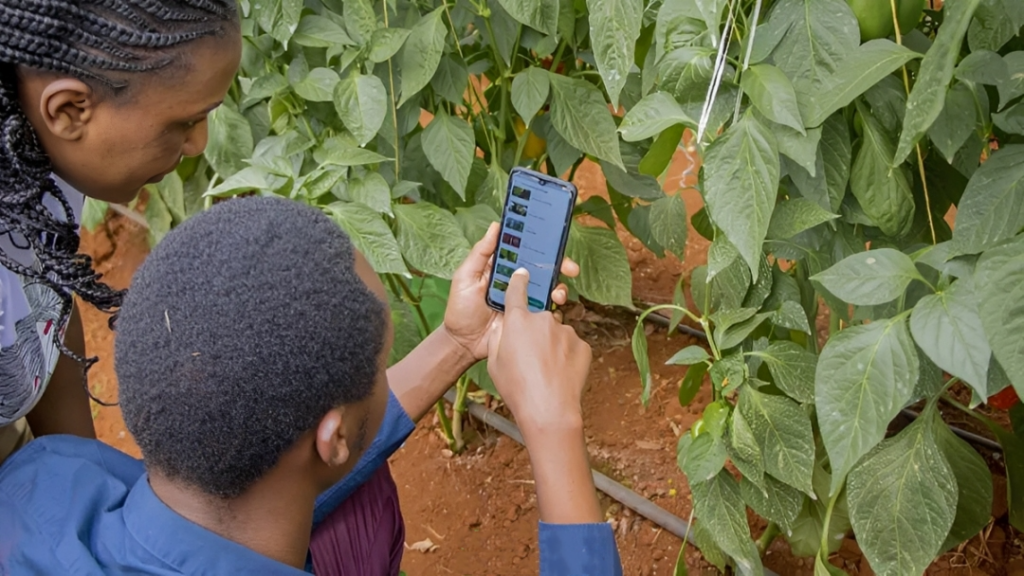
Synnefa in Kenya has been able to operate outside of terrestrial infrastructure thanks to satellite IoT, which transmits sensor data to enable smarter predictions for optimal harvesting times. Precision farming has been so successful that Synnefa has been able to help farmers save more than 50% of water, reduce fertilizer application rates by 41%, and increase production by 30% when compared to yields before the use of their devices.
Renewable Energy
The advantages of satellite IoT are increasingly being felt in the energy sector. The technology makes it possible to remotely monitor renewable energy infrastructure in real-time, preventing downtime and optimizing energy output by enabling the early detection of any problems or malfunctions. Data on weather patterns, energy production, and equipment performance are gathered and analyzed to maximize the performance of renewable energy assets. This information can be utilized to increase the longevity of renewable energy assets, lower expenses, and improve efficiency.
Conclusion
Remote water systems face unique monitoring challenges because of remote location, low connectivity, and high maintenance needs. Combining advanced sensors with global satellite communication networks, Satellite IoT is a viable solution. The technology allows real-time monitoring of water levels, water quality, pipelines, irrigation systems, and pumping stations, even in the most remote environments.
Satellite IoT is allowing organizations to improve water resource management via continuous connectivity, lower operational costs, and enhanced system reliability. As satellite networks grow more sophisticated and affordable, they will serve as an increasingly important tool to monitor remote water systems, helping to secure sustainable water management and reliable access to this critical resource.
Discover More: https://mg.aquaenergyexpo.com/issue/

