
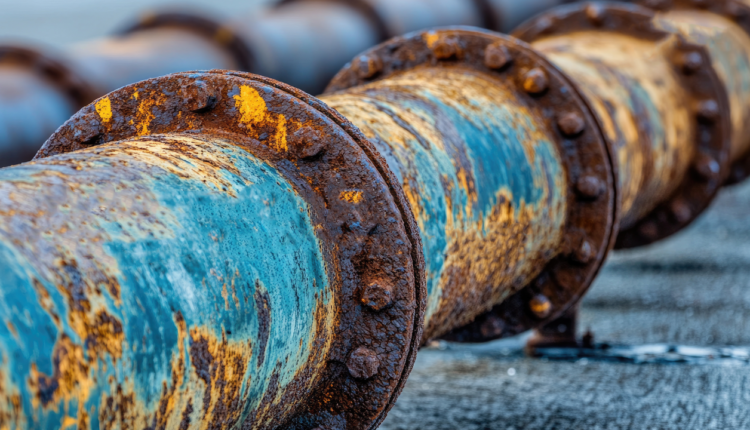

Hard water is a challenge in both residential and commercial water systems, causing scale buildup, inefficiencies, and damage to appliances and plumbing. Water softeners, specifically cation exchange systems, are widely used to reduce calcium and magnesium minerals that create these issues. However, there persists a common misconception that softened water contributes to corrosion in plumbing systems. We explain how softeners work, what corrosion truly is, common causes of corrosion, and research findings related to softened water and corrosion. Understanding these concepts helps water and energy professionals make informed decisions about water treatment strategies.
The Nature and Effects of Hard Water
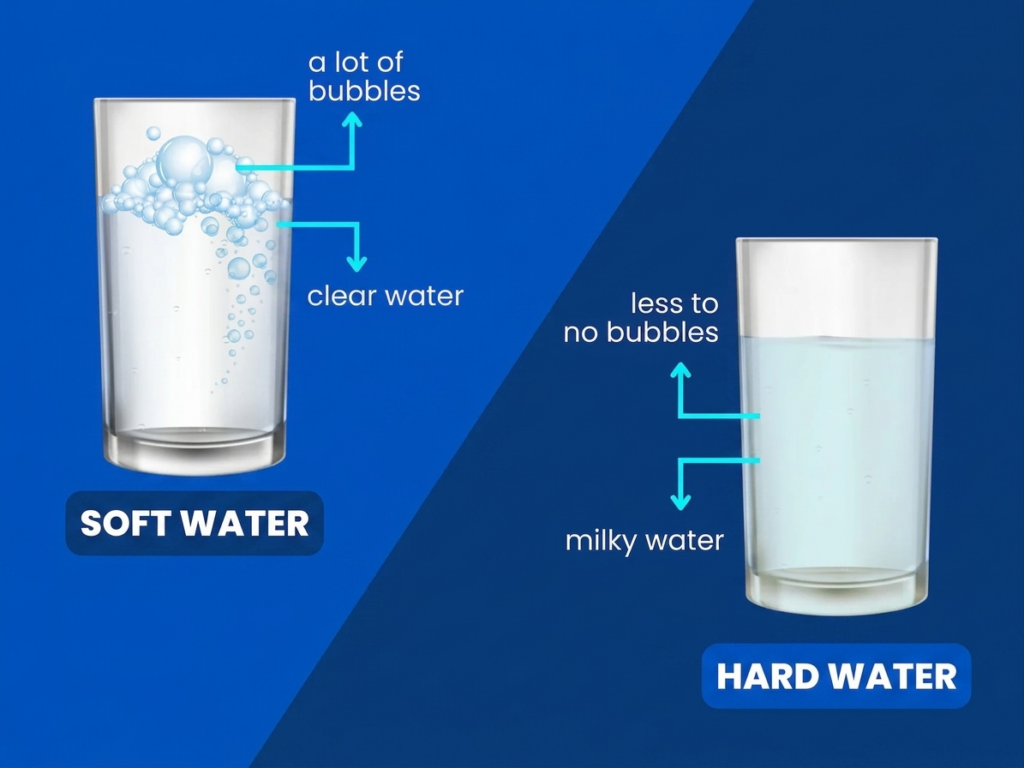
Elevated levels of calcium and magnesium define hard water. These minerals react with soap, reducing its effectiveness in cleaning and creating insoluble residues known as soap curd, which can appear as films on bathtubs, sinks, and laundry. Hard water minerals also accumulate as scale inside plumbing, fixtures, and appliances such as water heaters. Even small amounts of scale can reduce energy efficiency and damage water-heating equipment. The degree of hardness is commonly expressed in grains per gallon (gpg), a measurement that represents the concentration of hardness minerals. Hard water’s negative effects on daily life and building systems underscore why water softening is a common treatment in areas with high mineral content.
How Cation-Exchange Softeners Work
The Science of Ion Exchange
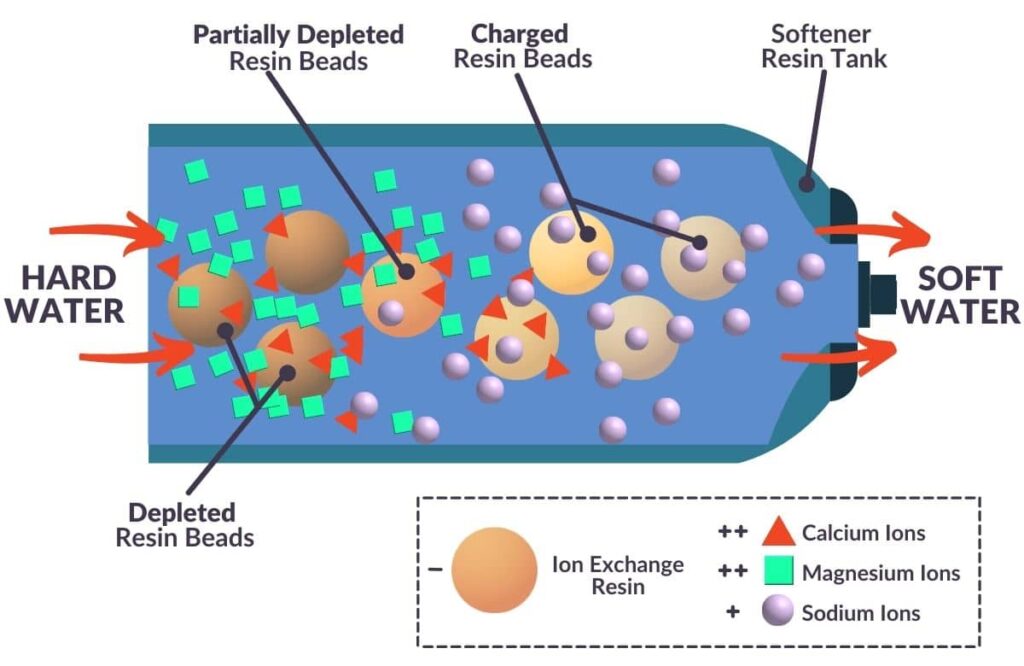
Cation exchange water softeners remove calcium and magnesium ions through an exchange process that replaces these hardness minerals with other ions. As hard water passes through the softener’s resin, calcium and magnesium attach to the resin and are replaced with more benign ions. This process reduces the concentration of hardness minerals, preventing their detrimental reactions with soap and reducing scale buildup in pipes and appliances. In addition to hardness ions, softeners may also capture other cations such as radium, selenium, and barium. It’s important to note that while this exchange changes the mineral composition of the water, it does not create the chemical conditions associated with corrosive water. Properly configured softeners improve water quality without inherently increasing corrosion risk.
What Corrosion Is and How It Occurs
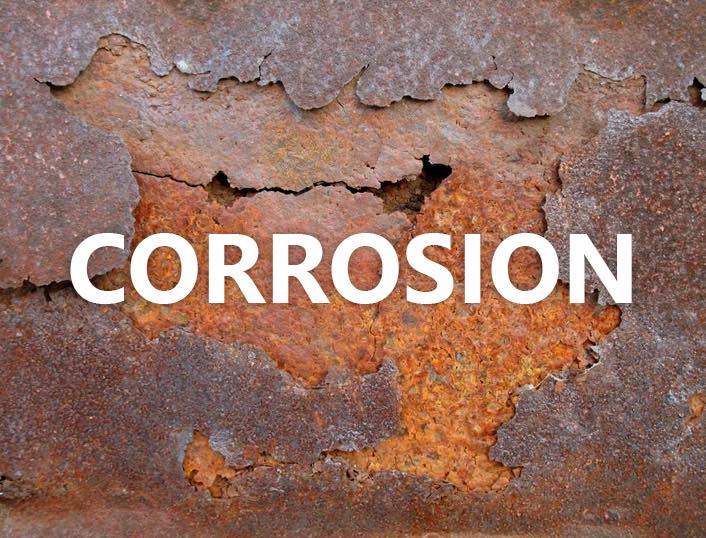
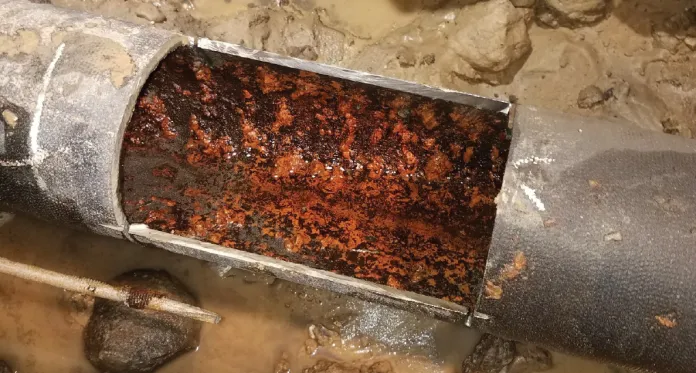
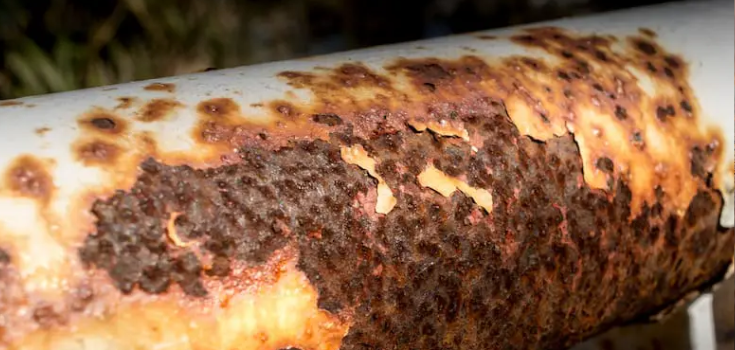
Corrosion is a natural, electrochemical process by which metal deteriorates when it interacts with water. The most familiar example is rust, the corrosion product of iron and its alloys, like steel. However, corrosion also affects copper, brass, and aluminum. Corrosion can manifest in various ways, including reddish-brown rust staining, leaks, pitting (small holes in metal), and blue-green discoloration from copper corrosion. In some cases, corrosion may release harmful contaminants like lead and copper from pipes into water. Several environmental and water chemistry factors influence corrosion, including pH, dissolved solids, temperature, and the presence of dissimilar metals in contact with each other.
Understanding corrosion is fundamental to evaluating whether any water treatment, including softeners, affects plumbing integrity. They release harmful contaminants like lead and copper from pipes into water. Several environmental and water chemistry factors influence corrosion, including pH, dissolved solids, temperature, and the presence of dissimilar metals in contact with each other. Understanding corrosion is fundamental to evaluating whether any water treatment, including softeners, affects plumbing integrity.
Factors That Influence Corrosion
A range of chemical and physical factors can accelerate corrosion in plumbing systems. Water with low pH (acidic conditions) supplies excess hydrogen ions that attack metal surfaces. Conversely, very high pH can cause pitting in metals like aluminum. High total dissolved solids (TDS) enhance water conductivity, increasing galvanic corrosion between dissimilar metals. Water low in minerals (low TDS) is “hungry” and can leach metals from plumbing. High water velocity or turbulence promotes erosion corrosion, particularly at fittings and directional changes in pipes. Elevated temperatures speed up reaction rates, and strong oxidizing disinfectants like chlorine or chloramines can exacerbate corrosion. Biofilms and bacterial activity can trigger localized corrosion as microbes alter pH and concentrate corrosive agents. Other factors include high chloride-to-sulfate ratios and dissolved carbon dioxide, which lowers water pH.
Naturally Soft vs. Softened Water
Some regions naturally supply soft water due to low levels of dissolved minerals. Naturally soft water typically has low total dissolved solids and is often acidic. These chemical properties can make naturally soft water corrosive, capable of attacking metal pipes and fixtures. This is a different condition than softened water, which has had hardness minerals removed and replaced through ion exchange. Because the softening process replaces calcium and magnesium with other ions, it does not produce the same chemical profile that makes natural soft water corrosive. Softeners do not create corrosive conditions. In cases where water is already corrosive, a softener will not solve that problem, nor will it make previously non-corrosive water corrosive.
Dispelling Misconceptions in the Field
Even though research clearly demonstrates that softened water does not increase corrosion, the myth persists among some professionals. Confusion often arises from conflating naturally soft, corrosive water, which is low in dissolved minerals and acid, with water that has been softened by an ion exchange system. Since softeners reduce hardness but do not create pH or conductivity conditions associated with corrosion, it’s incorrect to blame softeners for plumbing corrosion. Water quality experts should evaluate the full suite of chemical parameters in a water system, including pH, TDS, temperature, and dissolved gases, before determining corrosion risks. Understanding the science helps professionals avoid misdiagnosis and focus on the true causes of material degradation.
Integrating Softeners with Effective Water Management
For water and energy professionals, effective water quality management requires distinguishing between hardness and corrosivity. Softeners are valuable tools for reducing scale and improving system efficiency, but they should not be relied on to mitigate corrosion. Comprehensive water analysis remains essential for identifying corrosive conditions, and solutions such as pH adjustment or corrosion inhibitors may be needed. When evaluating a system, professionals should consider how factors like disinfectants, flow characteristics, and material combinations interact with water chemistry. Applying research-based knowledge ensures that treatment solutions are scientifically grounded and effective. By dispelling myths and understanding the specific effects of softening technology, professionals can optimize both water quality and infrastructure longevity without over-attributing corrosion to water softeners.
Conclusion
Water softeners play a key role in reducing hard water problems and protecting plumbing and appliances from scale buildup. However, the long-standing misconception that they increase corrosion is unfounded. Corrosion is a complex electrochemical process dependent on pH, dissolved solids, temperature, and other factors, not simply on the absence of hardness minerals. Scientific research consistently confirms that properly designed cation-ex change softeners do not make water corrosive when other conditions remain equal. Water and energy professionals should base their decisions on evidence, addressing actual causes of corrosion rather than attributing it to softening alone. This clarity improves system performance and supports better water quality practices overall.
To explore the latest innovations in water and energy technologies and discover a wide range of products and solutions from around the world, you can visit the virtual exhibition AQUA ENERGY EXPO, which features leading companies in water treatment, desalination, and sustainable energy, through the following link:
https://aquaenergyexpo.com/

