

The pace of change in the water sector has become impossible to ignore. Communities, industries, and governments are all grappling with immediate and intensified water challenges and are seeking solutions that can be deployed faster, smarter, and more sustainably than ever before. Once a background concern, water scarcity has become an urgent global priority. Private investment plays a critical role, as the scale and complexity of today’s challenges require not only capital but also strategic and operational expertise to help innovative companies grow.

Water Investment Is Increasingly Unavoidable
The urgency around water investment stems from three converging challenges: water security, flood risk, and public concern. Water security is no longer a concern only for arid regions, as it now affects cities worldwide where demand increasingly exceeds locally available freshwater. The bigger shift is in supply reliability, as hotter global temperatures lengthen and intensify droughts. Flood risk is rising as storm events become more intense and overwhelm traditional infrastructure strategies. Public concern is also driving urgency, as contamination from combined sewer overflows or micropollutants in drinking water is no longer tolerated, creating political and social pressure for action on water quality. This growing urgency is creating opportunities in four themes: flexibility, agility, credibility, and availability. These themes are reshaping the sector and guiding how cities, utilities, and industries respond to rapidly changing conditions.
Rising Temperatures and Changing Rainfall Patterns
-
Increasing Frequency and Severity of Drought
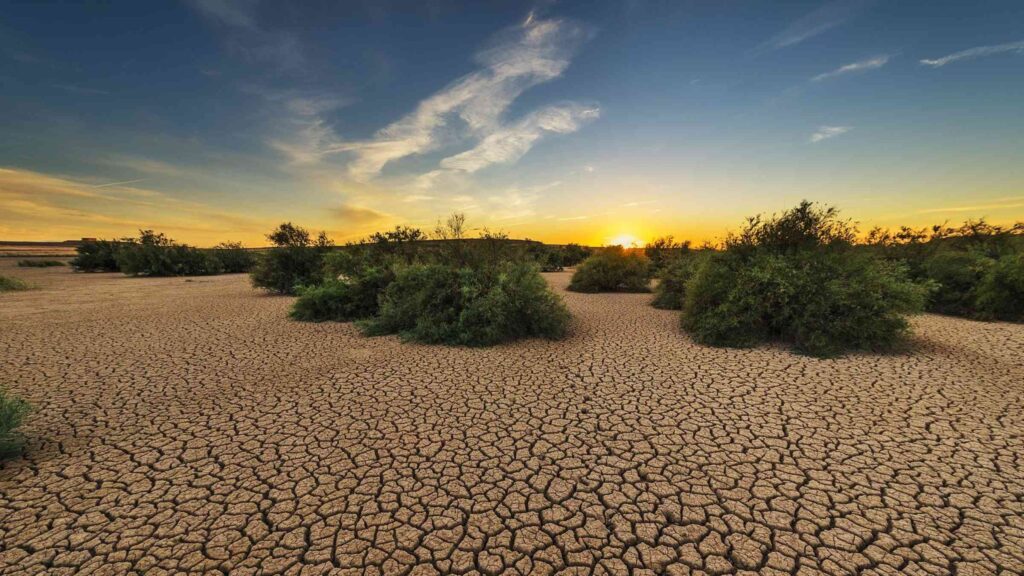
Drought conditions are becoming more frequent, extensive, and longer lasting in both arid and non-arid regions. The trend is driven by rising global temperatures, which increase atmospheric evaporative demand and change global rainfall patterns. This creates an “in your face problem” for governments, businesses, and farmers, strengthening the case for investment in water security. Wildfires multiply this urgency because they expose the vulnerability of water supplies while proving their necessity.
-
The Double Impact of Rising Temperatures
Higher temperatures have a double impact on drought. First, the atmosphere becomes “thirstier,” increasing evaporative demand that dries soil and plants. Drier land also reduces evaporation, reinforcing drought conditions. Second, changes to atmospheric circulation impact storm tracks, monsoons, and wet season timing, turning seasonal dry spells into multi-year droughts.
-
Infrastructure Gaps and Escalating Water Crises
The problems arising from drought are worsened by underinvestment in water infrastructure. Many systems lack storage, distribution flexibility, and treatment capacity to cope with prolonged drought. When supplies collapse, structural weaknesses turn climate shock into a service crisis, amplifying public concern and forcing costly emergency measures.
-
Case Study
The Los Angeles wildfire of January 2025 highlighted how drought-driven fires create urgent water challenges. Firefighting requires huge volumes of water diverted at short notice, straining limited supplies. After the fire, rainfall washes ash, sediments, and contaminants into reservoirs and rivers, overwhelming treatment plants and threatening drinking water. Repeated fires also damage catchments and reduce their recharge capacity, making droughts more severe. Similar patterns in California, Australia, and Europe show how fire compounds both scarcity and safety challenges, forcing utilities to rethink resilience and invest in flexible treatment solutions.
Increased Flood Risk: Wet Weather Events Becoming Impossible to Manage
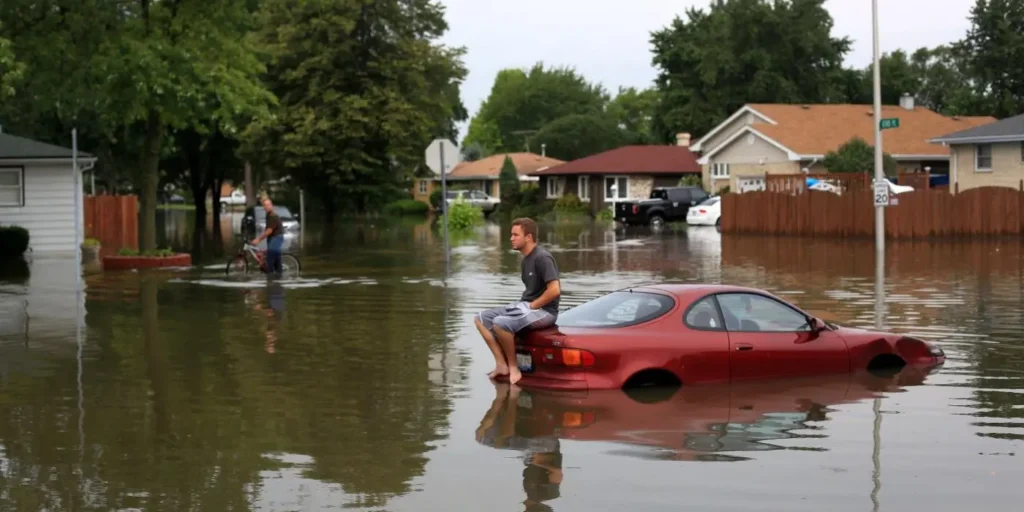
Flooding is becoming more frequent, intense, and complex, overwhelming traditional defenses and driving urgent spending on emergency response, monitoring systems, and resilient infrastructure. Climate change is a key driver, as warmer air holds more moisture, fuels stronger storms, and alters rainfall patterns, sometimes stalling systems or shifting them to new regions. Urban expansion worsens flooding by replacing permeable land with hard surfaces, increasing runoff, while saturated soils and compound events such as river floods combined with storm surges intensify impacts. Critical infrastructure in low-lying areas is especially vulnerable. Water agencies now face “whiplash” conditions, rapidly shifting between drought and flood, making preparedness and fast response more essential than ever.
A Crisis of Trust in Water Quality
Public concern over water is increasingly driven by a growing crisis of trust in water quality, not just by floods and droughts. High-profile incidents like the Flint water crisis, along with declining confidence in public institutions, have intensified demands for transparency. Key concerns include microplastics, PFAS, sewage overflows, microbial contamination, nutrient pollution, and industrial waste. These issues threaten human health, ecosystems, and economies, while frequent pollution events have raised public anger. As a result, there is rising pressure on governments and utilities to improve monitoring, provide accurate information, and ensure accountability.
Flexibility: Rapidly Deployable Mobile Systems
Traditional water infrastructure, designed for long-term planning and cost recovery, is no longer suitable due to unpredictable droughts and floods. Building systems for every scenario is too costly, shifting focus toward flexible, rapidly deployable solutions. This flexible market serves municipalities, industries, emergencies, and remote projects. Utilities increasingly adapt existing infrastructure, while industries rely on mobile and modular systems for temporary needs or operational changes. Emergencies such as disasters and conflicts drive demand for quick water and sanitation solutions. Regulatory uncertainty, especially around contaminants like PFAS, also discourages fixed investments. Mobile water treatment systems are growing rapidly, alongside broader efforts to repurpose infrastructure efficiently without full redesign.
A case study highlighted is Opus Water, a platform uniting manufacturers of mission-critical engineered products for utilities and industrial processes. These technologies support resilient infrastructure, allow plants to extend operating life or be repurposed, and safely handle large volumes of water in harsh environments.
AI-Driven Smart Water Management
In a changing climate, fixed water infrastructure is becoming less reliable, while AI enables more agile and adaptive management. Real-time data and predictive tools help optimize existing systems, reduce damage, and extend asset life without costly expansion. Strategies include early warning systems, dynamic flow control, and integrated data platforms that coordinate responses to droughts and floods. Advanced monitoring and analytics allow faster decision-making, targeted maintenance, and proactive actions such as deploying mobile treatment units or activating defenses before risks escalate.

A case study is Metron, which provides smart metering and analytics, capturing real-time information on leaks and network conditions. This allows operators to act before small issues escalate. By integrating meter data with utility operations, Metron supports optimized infrastructure use, rapid incident response, reduced non-revenue water, and targeted maintenance.
Transparency & Real-Time Assurance of Water Quality
Water credibility now depends on proving safety through transparent, real-time data rather than as surances. Public outrage over pollution, including sewage spills and PFAS, has made openness essential. Utilities and regulators are adopting monitoring, analytics, and reporting tools to rebuild trust. Successful examples include open data portals, real-time alerts, community sensors, and public dashboards, demonstrating how transparency can restore confidence and improve water management.
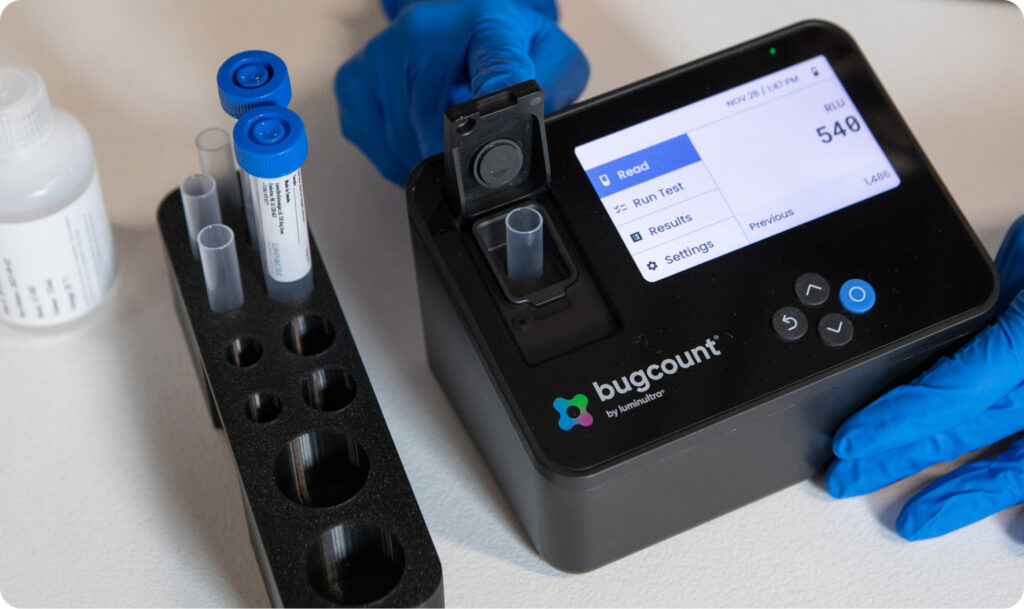
A case study is Luminultra, addressing the issue that traditional microbial lab tests take days or weeks. In an environment where public confidence can shift instantly, delays are unacceptable. Lu minultra provides microbial monitoring solutions delivering results in minutes. Its offerings are embedded in regulatory frameworks worldwide across drinking water, wastewater, and industrial markets. Faster detection enables quicker reporting, protects infrastructure, reduces costs, and supports compliance with tightening standards.
Availability: Increasing Supply Through Desalination and Water Reuse
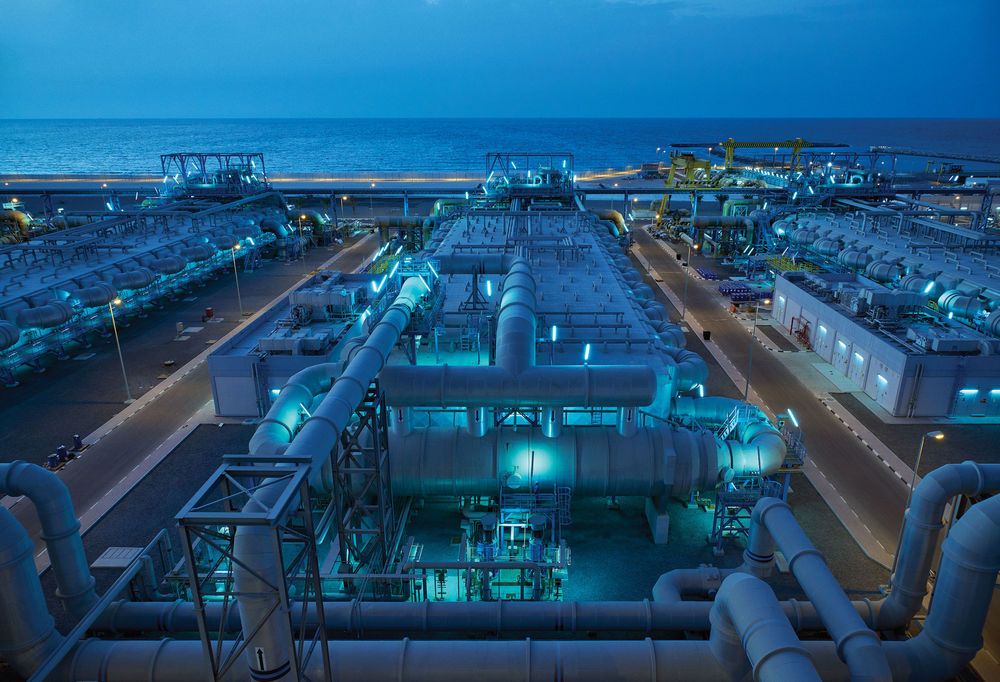
Water availability concerns are expanding beyond arid regions due to urbanization and unpredictable rainfall, pushing cities to explore alternatives like desalination and water reuse. These unconventional sources rely more on advanced technology than traditional infrastructure, offering potential cost reductions. Investment opportunities span developers, systems integrators, and enabling technologies such as membranes, which are vital for efficient treatment. Improving energy efficiency in membrane processes is a key focus. In desalination, innovations target pretreatment and the reduction of environmental impacts, while reuse focuses on process efficiency, resource recovery, water quality assurance, and decentralized systems. These advancements aim to lower costs and enhance long-term water security.
Conclusion
Overall, the water sector continues to grow more slowly than other investment areas, reflecting that infrastructure is largely owned and operated by the public sector, and public finances face pressure from deficits and resistance to increased charges. However, this is being challenged by more frequent droughts and floods, as well as rising public anger over water issues. Spend ing that delivers flexibility, agility, credibility, and availability is being prioritized.
To explore the latest innovations in water and energy technologies and discover a wide range of products and solutions from around the world, you can visit the virtual exhibition AQUA ENERGY EXPO, which features leading companies in water treatment, desalination, and sustainable energy, through the following link:
https://aquaenergyexpo.com/

