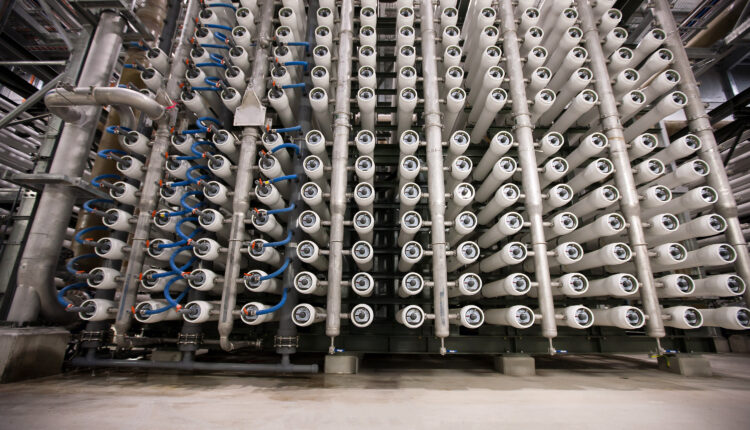

Water scarcity has become one of the most pressing challenges of the twenty-first century. Rapid population growth, urbanization, industrial expansion, and climate change are placing unprecedented pressure on freshwater resources across the globe. As traditional water sources become increasingly unreliable, desalination has emerged as a strategic solution capable of providing a dependable supply of potable water. However, desalination is an energy-intensive process, making efficiency and sustainability critical factors in its long-term success. Today, advances in electrical engineering, digital technologies, and renewable energy integration are transforming desalination facilities into smarter and more efficient operations, helping countries address water shortages while minimizing environmental impact.
The Growing Importance of Desalination
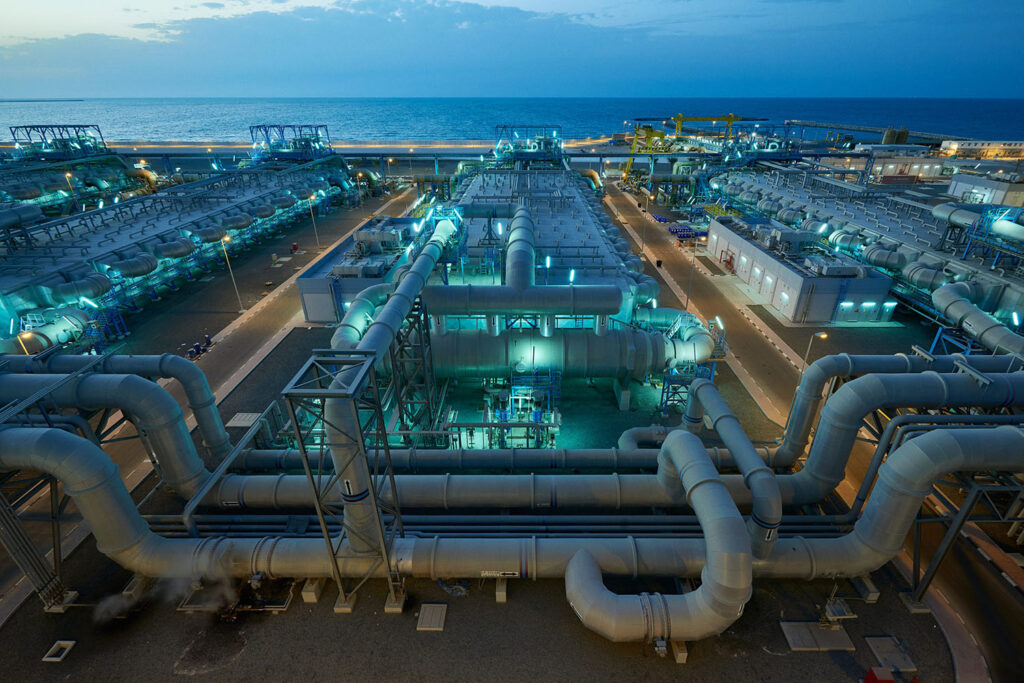
Desalination has evolved from a niche technology into a cornerstone of water security strategies worldwide. Countries facing chronic water shortages are increasingly investing in large-scale desalination facilities to supplement natural freshwater supplies. Coastal regions, arid climates, and rapidly growing urban centers particularly benefit from this technology, which converts seawater into high-quality drinking water. The increasing adoption of reverse osmosis systems has significantly improved desalination efficiency compared to earlier thermal technologies. Nevertheless, energy consumption remains one of the highest operational costs. As global demand for desalinated water continues to rise, operators and governments are focusing on methods to reduce power requirements while maintaining reliable production. This shift has placed energy efficiency at the center of modern desalination planning, design, and operation.
Electrical Infrastructure as the Foundation of Efficient Plants
The performance of a desalination facility depends heavily on the quality and reliability of its electrical infrastructure. High-pressure pumps, intake systems, pretreatment units, and distribution networks require sophisticated electrical systems capable of operating continuously under demanding conditions.
Motors, drives, transformers, switchgear, and control systems must work together seamlessly to ensure operational stability. Modern electrical solutions enable facilities to optimize equipment performance while minimizing energy losses. Advanced motor technologies, coupled with intelligent power management systems, improve efficiency across the entire treatment process. By carefully integrating electrical components from the design stage, plant operators can reduce operational costs, increase reliability, and extend equipment lifespan. These improvements contribute significantly to the overall sustainability of desalination projects.
Variable Speed Drives and Smart Energy Management
One of the most significant advances in desalination efficiency has been the widespread adoption of variable speed drives (VSDs). These systems allow operators to precisely control motor speed according to actual process demands rather than operating at fixed output levels. As a result, pumps and other equipment consume only the energy necessary to meet production requirements. Smart energy management systems further enhance efficiency by continuously monitoring plant performance and adjusting operating parameters in real time. Through advanced analytics and automation, operators can identify inefficiencies, reduce unnecessary energy consumption, and optimize process performance. The combination of intelligent drives and digital control technologies helps facilities achieve substantial energy savings while maintaining consistent water production and operational reliability.
Integrating Renewable Energy into Desalination Operations
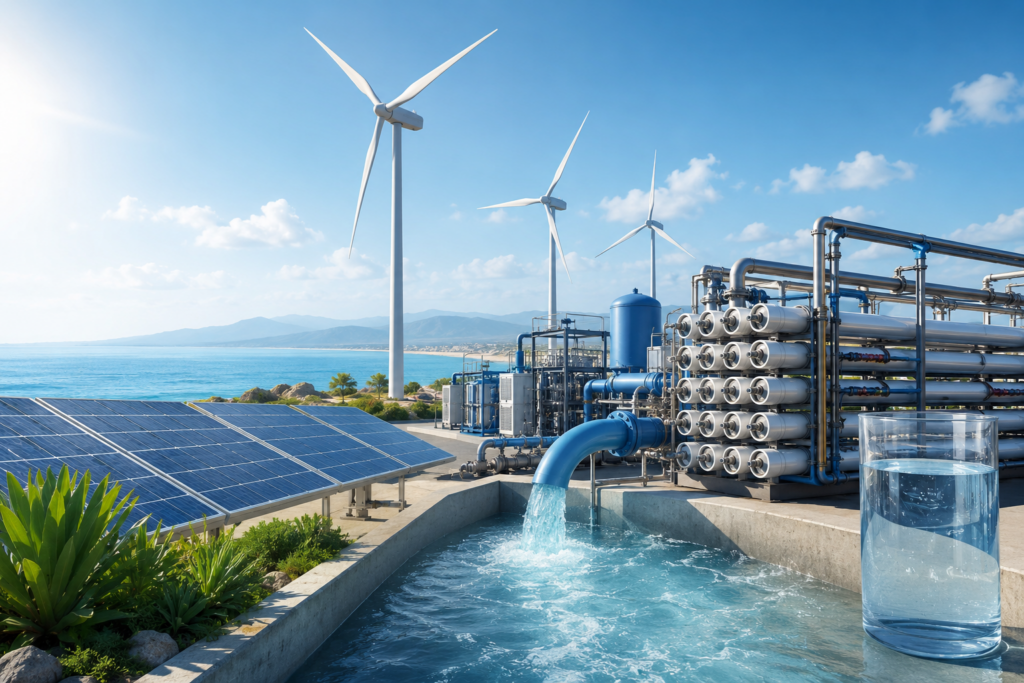
As countries pursue ambitious sustainability goals, the integration of renewable energy into desalination facilities has become increasingly important. Solar and wind power offer significant opportunities to reduce dependence on conventional electricity sources and lower greenhouse gas emissions associated with water production. Modern desalination plants are being designed with the flexibility to accommodate variable renewable energy inputs while maintaining stable operation. Advanced electrical systems help manage fluctuations in power generation and ensure continuous process performance. In regions with abundant solar resources, renewable-powered desalination is becoming an attractive solution for expanding water supplies sustainably. This approach not only supports environmental objectives but also improves long-term energy security and resilience against rising electricity costs.
Digitalization & Predictive Maintenance
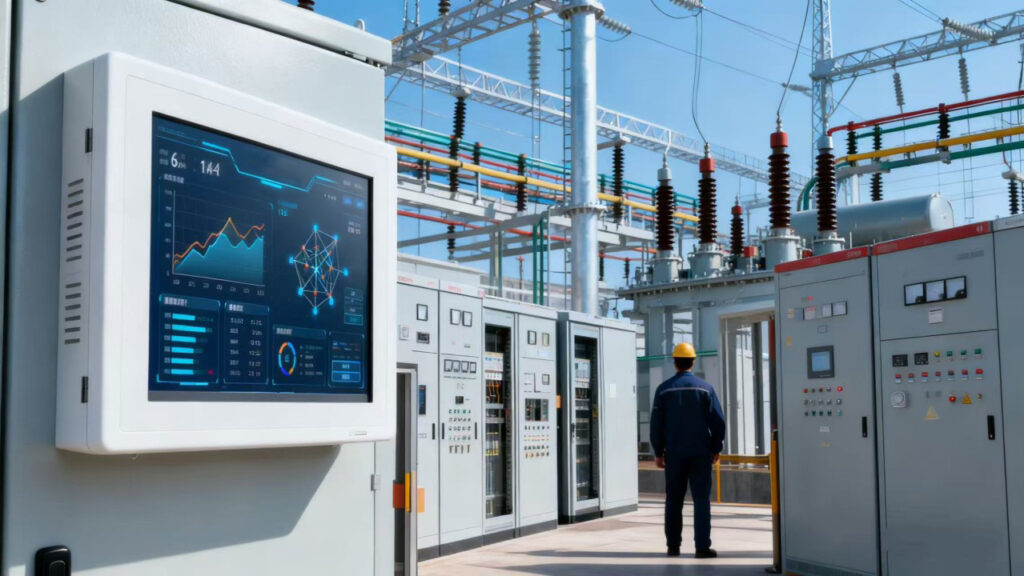
Digital transformation is reshaping the water industry, and desalination facilities are among the primary beneficiaries of this technological evolution. Modern plants are increasingly equipped with sensors, monitoring platforms, and industrial communication networks that provide continuous visibility into equipment performance. Predictive maintenance systems analyze opera tional data to detect potential issues before failures occur. Instead of relying solely on scheduled maintenance, operators can make informed decisions based on actual equipment conditions. This proactive approach reduces unplanned downtime, lowers maintenance costs, and improves asset utilization.
Digital technologies also support remote monitoring capabilities, enabling experts to assess plant performance and troubleshoot issues without being physically present on site. These capabilities contribute significantly to operational efficiency and reliability.
Lessons from Large-Scale Global Projects
Around the world, large desalination facilities demonstrate how advanced electrical technologies contribute to efficient and reliable water production. Major projects in the Middle East, North Africa, Latin America, and other water-stressed regions have adopted integrated electrical systems to support high-capacity operations. These facilities often produce hundreds of thousands of cubic meters of potable water per day while maintaining strict efficiency targets. Their success highlights the importance of combining robust electrical infrastructure with intelligent control systems and energy optimization strategies. Experience gained from these projects continues to influence industry best practices, providing valuable insights for future developments. As global demand for desalinated water grows, lessons learned from existing facilities will play a critical role in shaping the next generation of water infrastructure.
Sustainability Through High-Efficiency Equipment
Equipment efficiency has become a major focus area for plant designers and operators seeking to reduce both operational costs and environmental impact. High-efficiency motors, advanced pump technologies, and optimized control systems are helping facilities achieve substantial reductions in energy consumption. Even small efficiency improvements can generate significant savings over the lifetime of a large desalination plant. Reduced energy demand translates directly into lower operating expenses and decreased carbon emissions. Manufacturers continue to develop innovative technologies that improve performance while meeting increasingly stringent sustainability requirements. By investing in efficient equipment and adopting energy-conscious operating strategies, desalination facilities can support long-term water security objectives while minimizing their environmental footprint.
The Future of Water and Energy Integration
The future of desalination will be defined by the increasingly close relationship between water production and energy management. Emerging technologies such as artificial intelligence, advanced analytics, digital twins, and smart grid integration are expected to further improve efficiency and operational flexibility. Future desalination facilities will likely function as interconnected systems capable of dynamically responding to changes in water demand, energy availability, and environmental conditions. Enhanced automation will support faster decision-making, while improved renewable energy integration will help reduce dependence on fossil fuels. As innovation continues, the boundaries between water infrastructure and energy infrastructure will become increasingly interconnected, creating new opportunities for sustainable resource management.
Conclusion
Desalination is playing an increasingly vital role in addressing global water scarcity, but its long-term success depends on achieving greater energy efficiency and sustainability. Advances in electrical engineering, digital technologies, automation , and renewable energy integration are transforming desalination facilities into smarter and more resilient operations. From high-efficiency motors and intelligent drives to predictive maintenance and renewable-powered systems, modern solutions are helping reduce costs, improve reliability, and minimize environmental impact. As water demand continues to rise worldwide, the integration of advanced energy and electrical technologies will remain essential for ensuring sustainable access to clean water and supporting future generations in an increasingly water-constrained world.
Discover More: https://mg.aquaenergyexpo.com/issue/

