
The Future of Water Infrastructure: Digital Twins and the Evolution of Smart Water Management

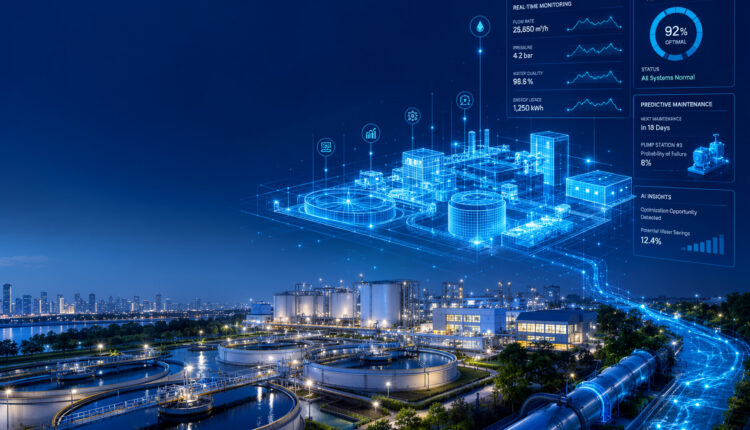
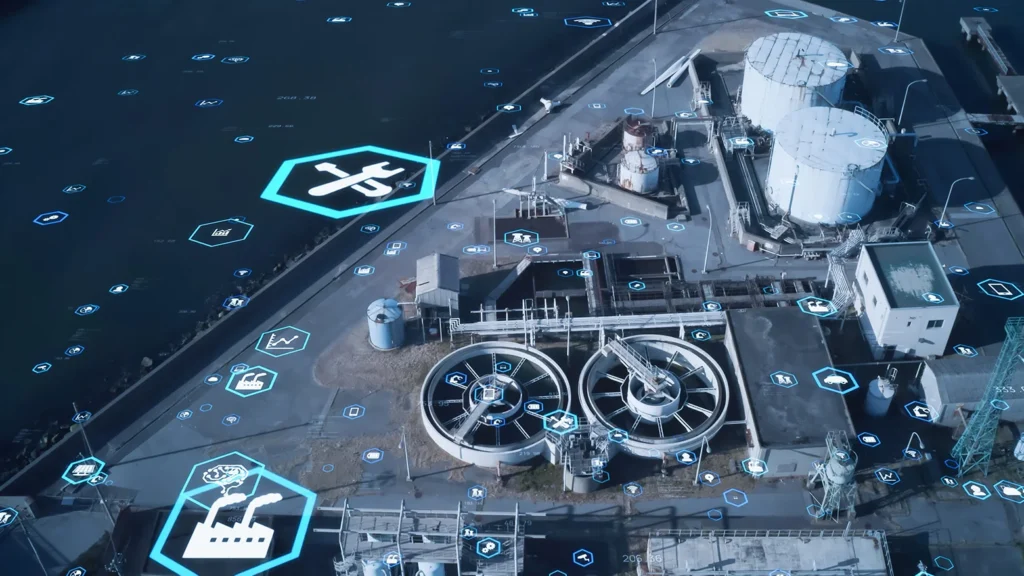
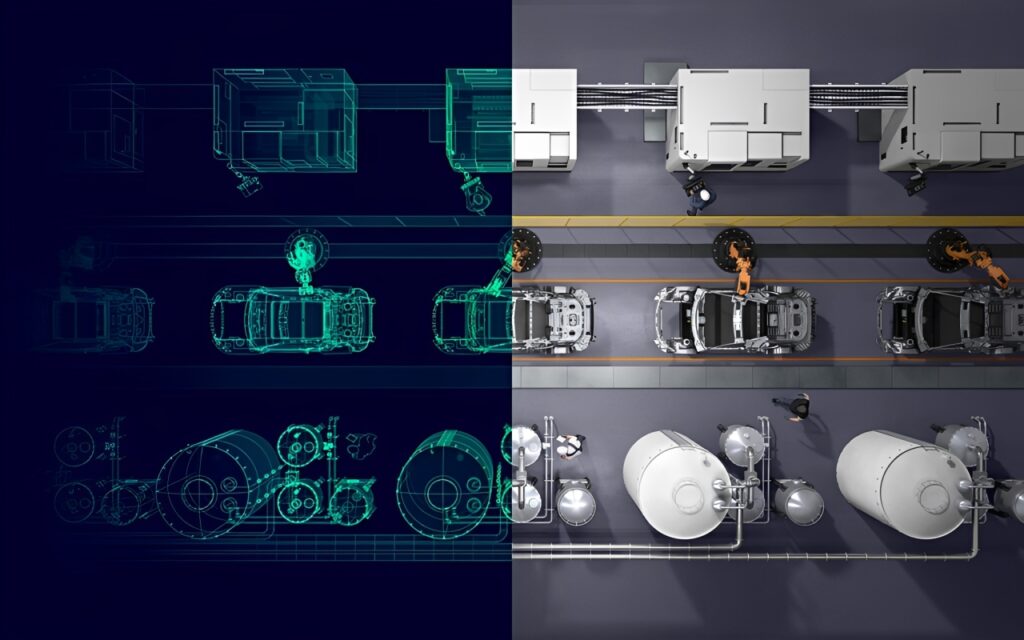
The global water sector is standing on the precipice of a profound technological paradigm shift. For decades, water utilities operated through reactive, human-centric methodologies, relying heavily on physical inspections and historical heuristics. However, an era of unprecedented environmental and operational volatility, characterized by acute climate variability, rapidly aging infrastructure, workforce transitions, and tightening regulatory frameworks, demands a fundamental transformation. At the center of this modern revolution is the “Digital Twin” (DT). A digital twin is a dynamic, virtual representation of a physical water network that integrates real-time operational data with advanced predictive models. Far more than static engineering drawings or isolated databases, digital twins serve as intelligent decision-making ecosystems.
They bridge the gap between physical infrastructure and computational intelligence, allowing utilities to visualize, simulate, and optimize network behavior with unprecedented accuracy. This article explores how digital twins are driving the digital transformation of water management, shifting the industry from reactive maintenance to fully autonomous operations.
The Roots of Digital Transformation
Digital transformation in the water sector is often viewed as a modern phenomenon, yet its conceptual lineage spans millennia. The historical shift of core decision-making steps, encompassing problem definition, observation, modeling, analysis, decision, action, and evaluation, began when humans first sought to quantify water resources.
Early technological interventions can be traced back to ancient civilizations, where tools like the Nilometer in Ancient Egypt were utilized to observe and record river levels to predict seasonal flooding and optimize agricultural planning. Over thousands of years, these primitive external tools gradually evolved into advanced mechanical and digital instruments. The true momentum of this transformation, however, accelerated exponentially with the advent of modern digital computers. By translating physical phenomena into computational logic, the water sector initiated a long-term migration of cognitive and analytical tasks away from sole human reliance and toward advanced, machine-driven computational architectures.
Shifting Cognitive Steps to Machines
In the contemporary water management landscape, computers have already been successfully entrusted with several critical phases of the traditional decision-making lifecycle. Specifically, the steps of observation, modeling, and analysis have largely transitioned to automated software systems. Advanced sensors, telemetry, and Supervisory Control and Data Acquisition (SCADA) networks autonomously handle the continuous observation of hydraulic pressures, water quality parameters, and volumetric flow rates across expansive distribution grids. Concurrently, Geographic Information Systems (GIS) and hydraulic simulation software manage the complex tasks of asset modeling and structural analysis. These digital systems process millions of data points rapidly, uncovering hidden operational anomalies and bottlenecks that would be impossible for human operators to discern manually. By offloading these data-intensive analytical tasks to computers, utilities have drastically reduced human error while establishing a highly standardized, empirical foundation for daily operational oversight.
Defining the Modern Digital Twin
At its core, a modern water distribution digital twin is a unified decision-making platform that seamlessly harmonizes disparate data silos into a singular, cohesive virtual environment. A functional digital twin requires the integration of three foundational elements: asset data, real-time data, and predictive models.
Asset data, typically derived from GIS databases, provides the static structural framework, mapping out pipe diameters, material compositions, elevations, and geographic coordinates. Real-time data feeds, sourced from SCADA systems and Internet of Things (IoT) sensors, inject live operational dynamics like current pressure levels, tank elevations, and valve positions into this structural framework. Finally, the predictive engine—which can utilize deterministic hydraulic models, statistical algorithms, machine learning, or advanced artificial intelligence—analyzes this aggregated data. This allows the digital twin to accurately simulate future network behaviors, test hypothetical operational scenarios, and deliver actionable insights.
Technological Drivers of the Digital Twin Evolution
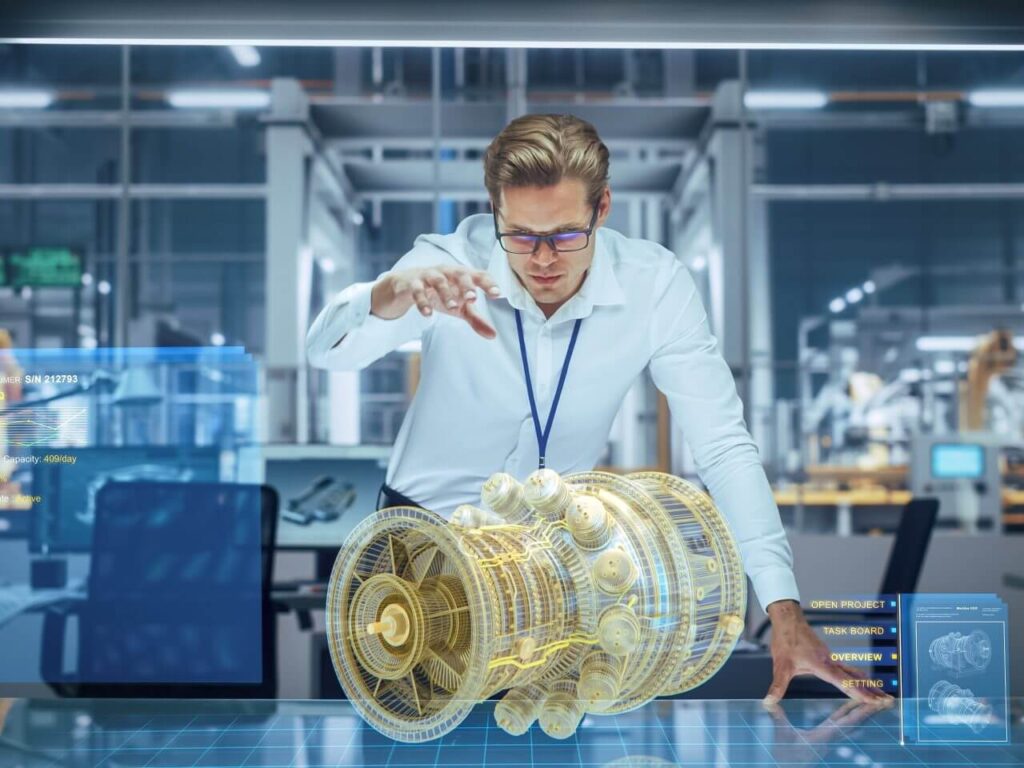
The rapid acceleration and mainstream adoption of digital twins within the water industry are powered by the simultaneous convergence of three macroeconomic and technological forces. First, the industry has benefited from a significant drop in data acquisition and storage costs, making the deployment of widespread IoT sensor networks financially viable. Second, modern cloud computing has enabled easier data processing, integration, and cross-platform accessibility, breaking down traditional IT silos. Finally, the exponential rise of artificial intelligence (AI) has provided the sophisticated computational cognitive power needed to interpret massive datasets. Together, these three converging forces are transforming the fundamental nature of engineering software. They are shifting applications from static, retrospective design toolkits into live, dynamic, and highly intelligent operational companions capable of managing complex water resources in real time.
Shifting from Reactive to Proactive
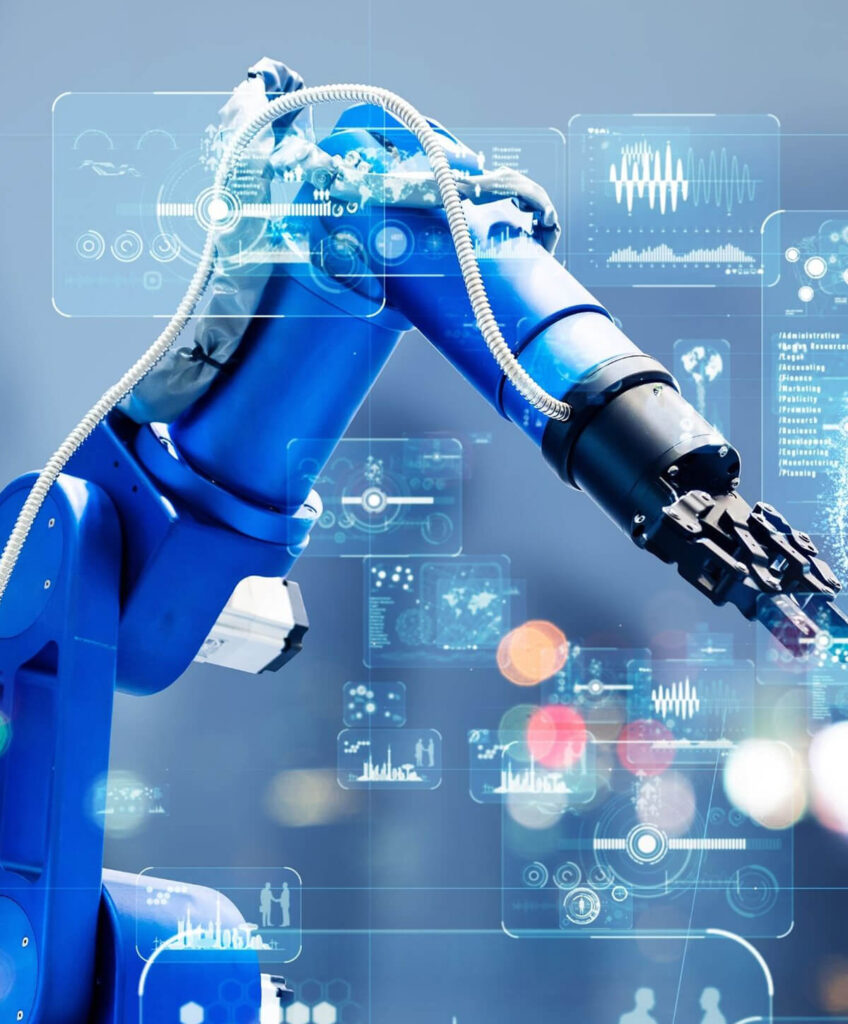
For over a century, water utility operations have been fundamentally reactive. Utilities typically responded to structural failures, pressure drops, or contamination events only after physical symptoms manifested within the network or when customers lodged formal complaints. Digital twins fundamentally invert this operational philosophy, serving as the technical backbone for an industry-wide migration from reactive operations to proactive, predictive management. By continuously running real-time simulations and analyzing streaming sensor data, a digital twin can identify subtle hydraulic anomalies or localized structural stress points long before a catastrophic failure occurs. This predictive capability allows maintenance crews to intervene early, fixing weak points during scheduled hours rather than executing costly, disruptive emergency repairs. Ultimately, this paradigm shift minimizes service interruptions, preserves water quality, and drastically extends the operational lifespan of aging underground infrastructure assets.

Automating Routine Operational Decisions
In the near-term deployment phase, the primary value proposition of a digital twin centers on the automation of routine, repetitive operational decisions. Water networks require constant, minor adjustments to maintain equilibrium, such as optimizing pump scheduling to match diurnal demand patterns or managing automated valve operations for pressure zone isolation. Traditionally, these tasks demanded manual oversight from experienced control room operators. A digital twin can automate these routine processes by utilizing real-time hydraulic data and predictive demand algorithms to execute optimal schedules autonomously. Crucially, during this evolutionary phase, human operators remain firmly in control, overseeing the digital twin’s actions through a “human-in-the-loop” architecture. This operational approach ensures that safety protocols are strictly maintained while freeing human professionals to focus their attention on complex, high-priority systemic challenges.
Long-Term Planning and System Assessment
As organizational trust in digital twins matures and integrated artificial intelligence capabilities evolve, the utility of these platforms extends far beyond daily operational optimization. Modern digital twins are increasingly utilized to support long-term capital improvement planning, holistic system assessments, and adaptive operational evolution. Engineering teams can leverage the digital twin’s verified hydraulic engine to run complex “what-if” planning scenarios spanning several decades into the future. Planners can simulate the systemic impacts of aggressive urban population growth, prolonged climate-induced droughts, or the integration of new decentralized water treatment facilities. Because the digital twin accurately reflects the current, real-world state of the physical network, the resulting long-term asset allocations and infrastructural designs are highly optimized, mitigating the risks of over-engineering and capital expenditure waste.

The Democratization of Digital Water Technology to All Utilities
Historically, the deployment of advanced hydraulic modeling and real-time data integration platforms was restricted to the world’s largest and most heavily funded metropolitan water utilities. These legacy software systems were often plagued by extreme cost barriers, restrictive proprietary architectures, and immense operational complexity that demanded highly specialized engineering expertise to maintain. The current wave of digital transformation, however, focuses heavily on the democratization of technology. Modern cloud-native digital twin platforms are actively breaking down these traditional barriers. By offering open, intuitive user interfaces and seamless, turn-key integration with standard GIS and SCA DA data streams, these platforms make digital twins accessible to utilities of all sizes.
This democratization ensures that small, rural, or underfunded water systems can leverage the predictive power of AI and digital twins to protect their communities.
The Ultimate Goal: Autonomous Operations
The evolutionary trajectory of digital twins leads to autonomous water network operations, which constitute the pinnacle of digital transformation. In this phase, core decision-making steps—decision, action, and evaluation—safely transfer from human operators to machine intelligence. Rather than simply recommending changes, the digital twin uses SCADA control loops to carry them out in the real world. It continuously assesses real-world hydraulic outputs and uses a feedback loop to improve future actions. While full autonomy necessitates organizational trust and strong AI safeguards, obtaining it allows water systems to self-heal and rearrange in real time in response to emergencies, bursts, or cyber threats.
Conclusion
The digital transformation of the water sector is critical to combating climate change, supply constraints, and aging infrastructure. Traditional human-centered management is no longer sufficient to ensure resilience. Digital twins are the ultimate evolution of water resource management, functioning as an intelligent central nervous system. By unifying asset registries, real-time data, and predictive AI, these platforms empower water systems to learn, reason, and act. By transitioning from old nilometers to autonomous, self-healing networks, global utilities can protect our most valuable resource and provide a long-term, dependable water supply for future generations.
Discover More: https://mg.aquaenergyexpo.com/issue/

